
What Is Pilates for Scoliosis and How Is It Practiced? Safe Approaches and Strategies
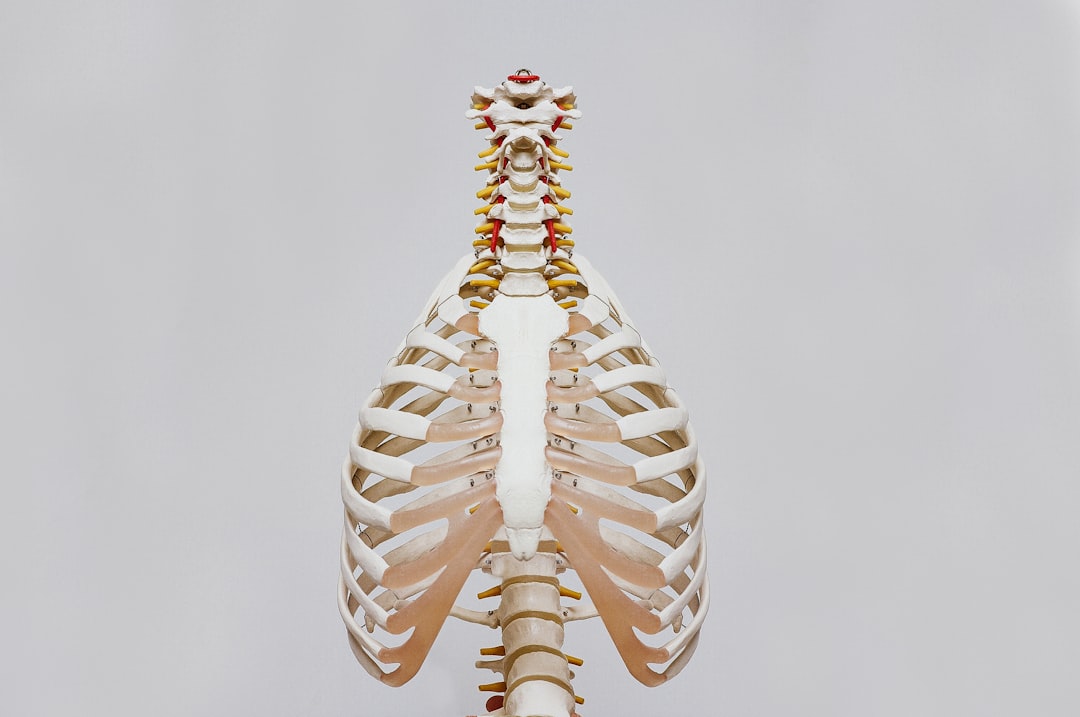
Scoliosis is a condition that can create a sense of asymmetry in the torso along with a sideways curvature of the spine. In some people, signs such as one shoulder appearing higher, differences in the waist indentations, or greater tightness on one side can affect everyday posture. The Pilates approach, with goals like “feeling more symmetrical,” breath-supported control, and better body awareness, can help make movement safer and more manageable.
The Basic Pilates Approach in Scoliosis: Alignment and Control
What stands out about Pilates in scoliosis is the importance it places on small adjustments. Rather than trying to forcibly “straighten” the spine, an alignment approach that respects the existing curve can be adopted. This perspective may reduce unnecessary strain and improve movement quality in some people; at the same time, it aims for more balanced use without forcing the torso into a single “correct posture” mold.
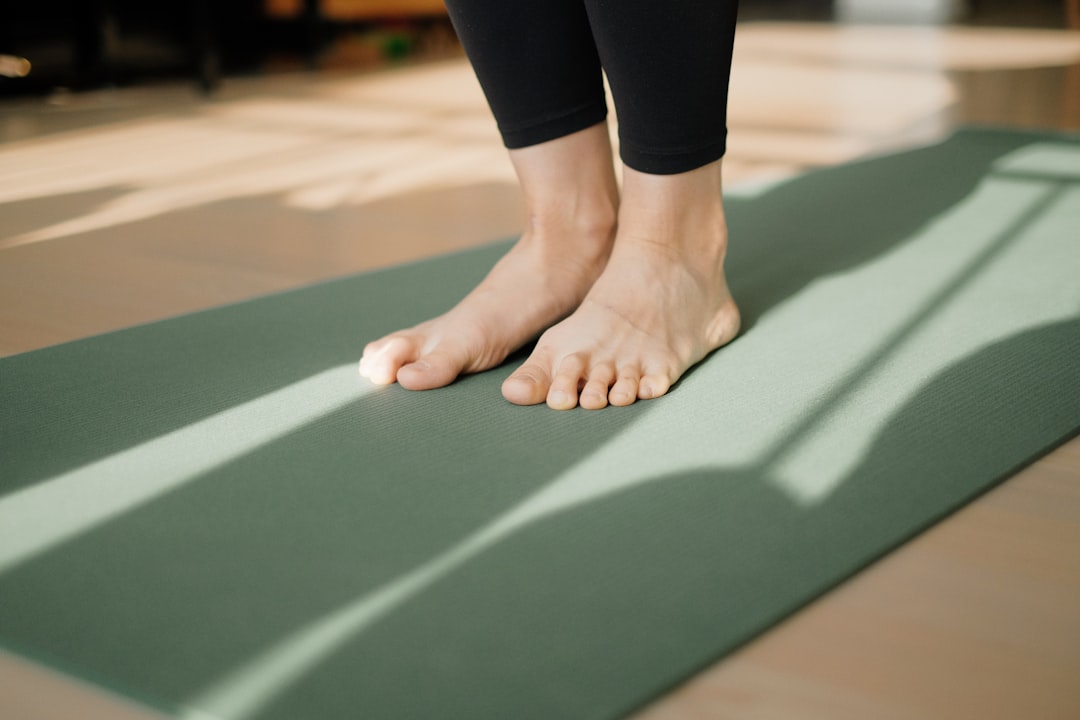
The first step in managing asymmetry is noticing differences in the body without judging them. Instead of constantly checking in the mirror, it may be more functional to observe the contact of the soles of the feet with the ground, the pelvis’s weight distribution, and how the ribs expand with the breath. This awareness makes it easier to catch when one side is working more dominantly during exercise or when a region fatigues early.
Breath and Rib Movement: Building Awareness with Pilates in Scoliosis
Breath can be at the center of Pilates practice in scoliosis. In some curve patterns, the ribs may feel more “closed” on one side while remaining more “open” on the other. Trying to direct the breath toward the areas that expand less can support a sense of length without unnecessarily gripping the torso. The goal here is not to force deep breathing, but to pair movement with comfortable, controlled respiration.
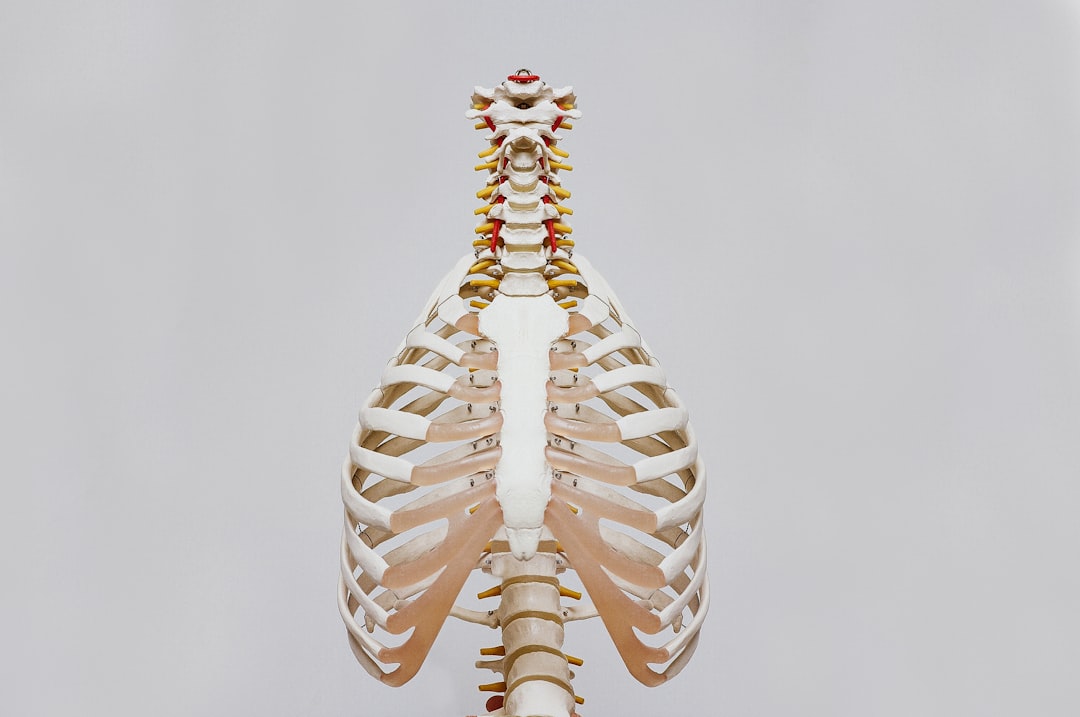
For a safe approach, it may be important to adapt the concept of “neutral” to the individual. The classic neutral spine goal can create a feeling of compression in the lower back or upper back for some people. Instead, choosing an alignment that does not increase pain, allows the breath to flow comfortably, and avoids unnecessary tension in the neck and shoulders may be more supportive. Over time, this “personal neutral” can also carry over into daily posture.
Strategies for Managing Asymmetry: Lengthening, Strengthening, and Dose Adjustment
A common situation in scoliosis is that one side of the torso shortens more easily while the other side tightens more quickly. Because Pilates can target lengthening and strengthening at the same time, strategies such as “softening and lengthening the shortened side” and “more consciously activating the side that engages less” can be applied. In this way, instead of loading both sides with the same exercise at the same intensity, it becomes possible to adjust the dose according to need.
The core logic of modifications is to manage the effect of the movement rather than its shape. For example, if spinal rotation becomes pronounced in an exercise, reducing the range of motion, choosing a more stable starting position, or using supportive equipment can be helpful. Simple adjustments such as supporting under the ribs with a small pillow, adjusting sitting height with a block, or getting feedback from a wall can help asymmetry feel more controlled.
Modification and Repetition Plan in Exercises: Quality Over Equality
In some exercises, doing equal repetitions on both sides may not always be the best option. If establishing balance is harder on one side, it may be considered to work that side in shorter intervals, insert rest breaks, or first prepare the nervous system with an easier variation. The aim here is not to “load the difficult side,” but to gradually improve skill without compromising quality.
For people who experience sensitivity in the lower back or upper back along with scoliosis, movements involving excessive stretching or rapid changes of direction may sometimes not feel good. For this reason, proceeding more cautiously—especially with deep backbends, strong rotations, or single-sided balance work that loads one side—can be helpful. If sharp pain, numbness, tingling, or a clear sense of strength loss occurs during movement, stopping the exercise and consulting a professional is a safer course.
Core Stability and Daily Habits: Supporting the Effect of Pilates
In Pilates practice, “core” work does not mean simply bracing the abdominal muscles in terms of scoliosis. Rather, the goal can be to create stability by organizing the area between the pelvis and the ribs with the breath. This approach may help some people feel that the lower back is more protected and can increase control of the torso while the arms and legs move.
Daily life habits can also support the effects of Pilates. Small changes such as not staying in the same position for long periods, not frequently carrying a bag on one shoulder, adjusting screen height, and paying attention to keeping the feet in contact with the floor while sitting can help reduce asymmetry-related fatigue. The awareness gained through exercise can kick in more quickly in these kinds of micro-adjustments.
The Pilates approach in scoliosis often becomes meaningful with the goal of “feeling better and moving more controllably” before “looking straighter.” Learning to manage rather than ignore asymmetry, adapting movement to the individual with safe modifications, and taking signals from the body seriously can make the process more sustainable. If possible, getting an individual assessment from a physiotherapist or Pilates instructor experienced in working with scoliosis can help ensure the exercises are arranged in a way that suits you.