
What Is Pilates During Pregnancy, Is It Safe? Trimester-by-Trimester Guide
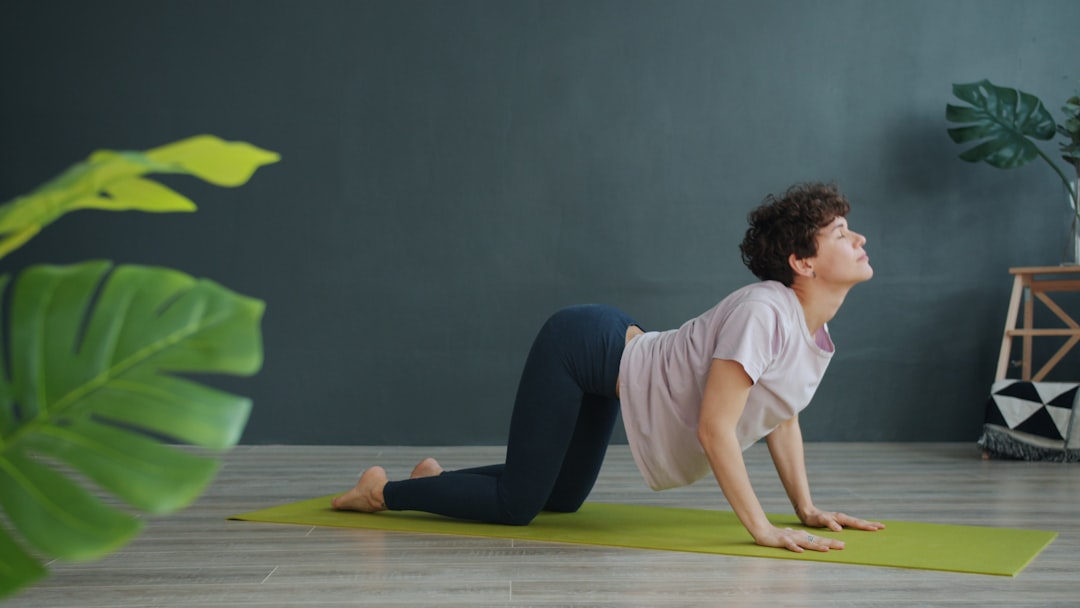
An overview of Pilates during pregnancy and how to start safely
Staying active during pregnancy can help you get to know your body better and carry the load of daily life more comfortably. Pilates, built around breathing, posture, and controlled strengthening, therefore attracts some expectant mothers. Still, since every pregnancy can progress differently, getting input from a healthcare professional who knows your personal situation before starting exercise or changing your routine can provide a safe framework.
Pilates safety during pregnancy: pace, breathing, and pressure management
The “safety” of Pilates during pregnancy is often related less to the type of exercise and more to how it is performed. Keeping the pace at a level that doesn’t make talking difficult, ensuring movements don’t cause pain, and not holding your breath can generally be a more suitable approach. Especially, avoiding strain that may increase intra-abdominal pressure and choosing a gentle, flowing sequence instead of fast transitions that make you lose control can be supportive.
Changes that affect Pilates selection by trimester
The most important factor affecting exercise selection by trimester is the body’s shifting balance and the possibility that ligaments become more flexible. As sensitivity in the tissues around the joints can increase during this process, even a stretch that used to feel comfortable may start to feel “too much” over time. For this reason, the goal may be to prioritize stability, alignment, and safe strength that supports daily function rather than pushing flexibility.
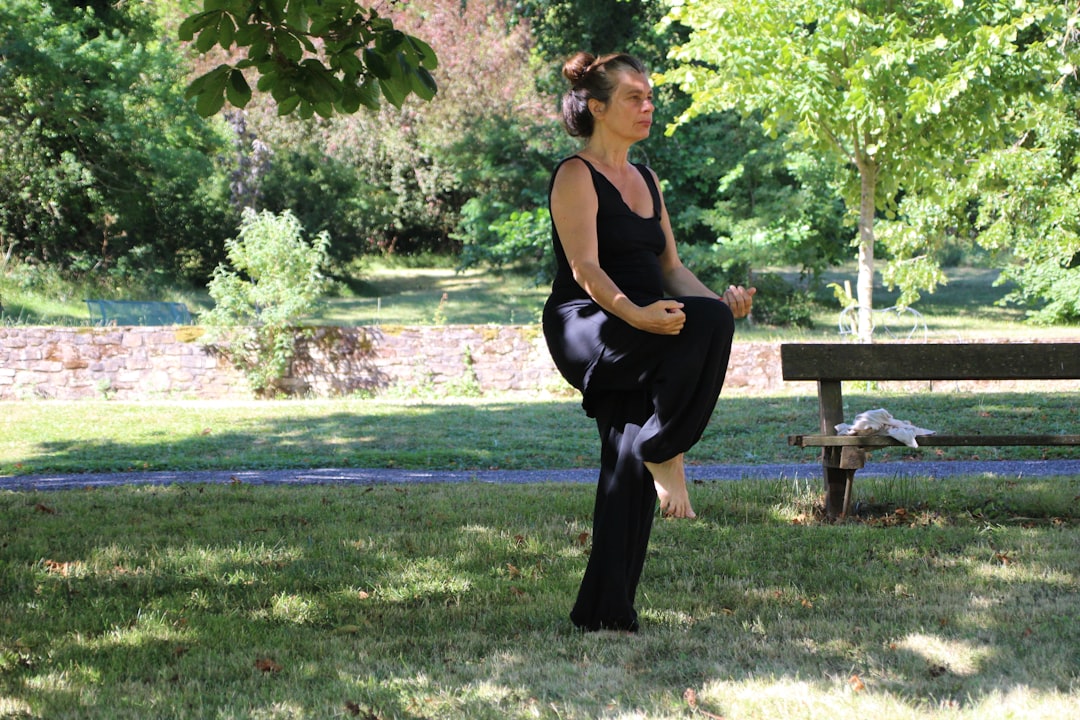
In the first trimester, even though many people feel well, fluctuations such as nausea, fatigue, and dizziness can occur. During this period, shorter sessions at low to moderate intensity; movements focused on breath awareness, spinal mobility, and gentle strengthening around the hips may be more comfortable. Instead of a routine that requires staying on your back on the floor for a long time, diversifying with side-lying, seated, or supported hands-and-knees positions may feel more comfortable for some people.
In the second trimester, although energy levels may increase, as the belly grows, balance begins to change and the load along the lower back–hip line may increase. In this period, the aim in Pilates may be not so much to brace and lock the “core,” but to learn to gently engage the deep core muscles together with the breath. Exercises that support hip stability, upper-back strength, and posture can help you feel better during daily walking, sitting, and standing.
Another point that requires special attention in the second trimester is noticing a pronounced outward “doming” in the abdominal area or a ridge becoming visible along the midline. This may indicate increased pressure in certain movements, and returning to an easier version of the movement can help. For example, supported options closer to the floor instead of holding the legs in the air; wall or elevated-surface variations performed at a more upright angle instead of plank-like positions may be preferred.
In the third trimester, as the center of gravity shifts noticeably forward, an increase in the arch of the lower back, changes in breathing capacity, and quicker fatigue may be seen. At this stage, shortening sessions, taking frequent breaks, and making getting down to and up from the floor practical and safe can become important. Movements such as side-lying hip work, seated arm-and-back strengthening, and supported squat preparations can be supportive in terms of preparing for birth and daily comfort.
Warning signs to watch for and safe modifications
Regardless of trimester, some signs may require stopping exercise and reassessing. If you notice sudden or increasing pain, marked shortness of breath, dizziness, feeling faint, discomfort in the chest area, irregular but intensifying contraction-like sensations, or any unusual situation, seeking expert advice may be a safer route. A person’s prior exercise history, special situations such as multiple pregnancy, or limitations specified by a doctor can also directly affect choices.
One of the most useful adjustments in Pilates is increasing the use of positioning and support. Maintaining spinal alignment with a pillow, block, or wall support can reduce unnecessary strain around the hips and lower back. Also, keeping the breath flowing, not tightening the breath during the “hard” part of a movement, and seeing rest as a natural part of the program can strengthen the sense of safety.
For those considering doing Pilates at home, the setup of the environment is also important. A non-slip surface, sufficient space, a flow that doesn’t require sudden changes of direction, and a pregnancy-modified routine chosen from reliable sources can help reduce risk. In the first attempts, keeping the duration short and gradually adjusting intensity by observing next-day fatigue or pain can provide a more balanced approach.
In summary, Pilates during pregnancy may be an option for some people that supports posture, breath awareness, and gentle strengthening. Taking into account the body’s changing needs by trimester, making movements easier, and progressing without pushing limits generally offers a more comfortable experience. Taking your body’s signals seriously and getting guidance appropriate to your personal health condition can help make this process safer and more sustainable.