
What Is Pilates, and What Are Its Benefits? Essential Basics for Beginners
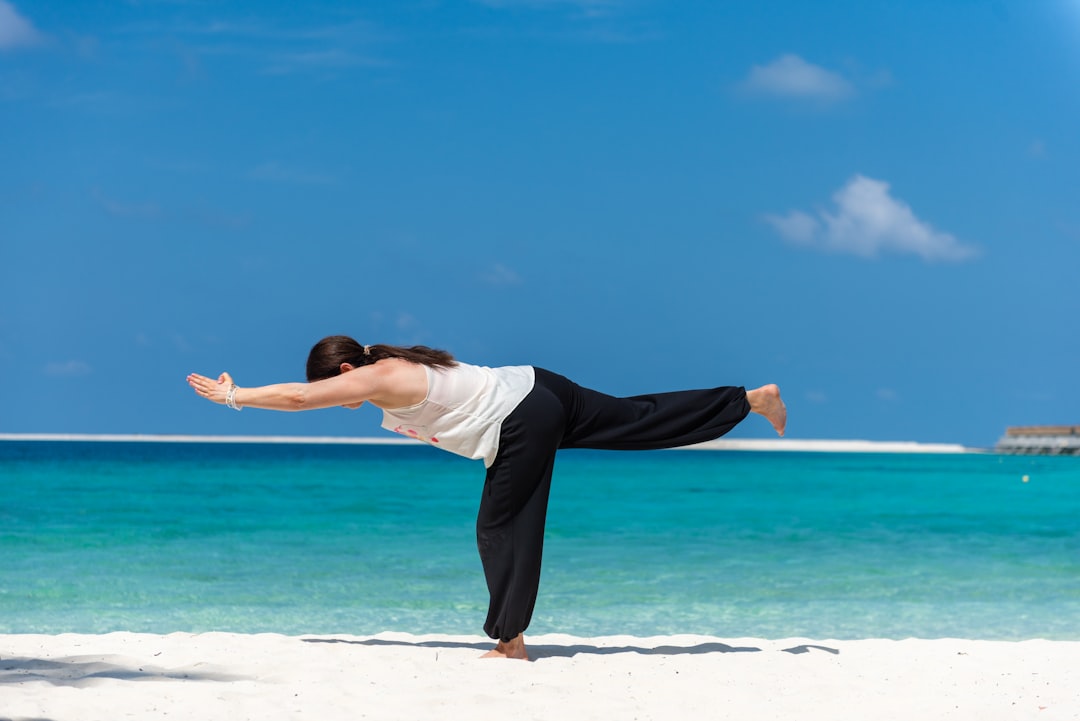
Pilates is known as an exercise approach that focuses on controlled and mindful movements, aiming to increase body awareness. For people trying it for the first time, it may stand out with a “slow but effective” feeling, because the movements are generally built around proper alignment, breathing, and flow rather than speed. In this respect, Pilates can be an option that many people with different athletic backgrounds can start while feeling safer.
The Foundation of Pilates: The Core and Control
At the heart of this method is the balanced activation of the abdominal, lower back, hip, and pelvic area, referred to as the “core.” When the core is active, it can become easier to use the other parts of the body more controllably. For beginners, this approach can be supportive in that it teaches focusing on movement quality rather than simply working the muscles.
What Is Pilates Good For? Posture and Everyday Movement Comfort
The question of what Pilates is good for is often answered in terms of posture and everyday movement comfort. When practiced regularly and appropriately, it is thought to help maintain spinal alignment, become aware of posture, and manage the tension created by habits such as sitting for long periods. Some people may start noticing sooner through Pilates, especially while working at a desk, that they lift their shoulders or strain their lower back more than necessary.
Pilates is also said to contribute to flexibility and range of motion. The goal here is not only to “stretch,” but for the muscles to engage in a balanced way while moving the joints through a safe range. This balance can sometimes allow more comfortable use in areas that feel tight, such as the hips, hamstrings, or chest; however, since each body’s needs and limits can differ, progress may vary from person to person.
Who Is Pilates Suitable For? Level and Adaptability
Although Pilates may be thought of as an exercise suitable only for very fit people, it actually has a structure that can be adapted to different levels. Beginners can start with low-intensity basic movements and add variety and difficulty over time. Age, flexibility level, or having exercised before may not be decisive on their own; what matters is being able to scale the movements appropriately to the person.
Looking at who it may be suitable for, those who want to move more controllably, those aiming to improve their posture, and those who say “I want to get stronger without lifting weights” may turn to Pilates. At the same time, people who do other sports such as running, swimming, or dancing may also prefer to use Pilates as a supportive workout. The benefit here can be associated with the possibility of strengthening areas considered weak in the body and noticing imbalances between the two sides.
Differences Between Mat Pilates and Reformer Pilates
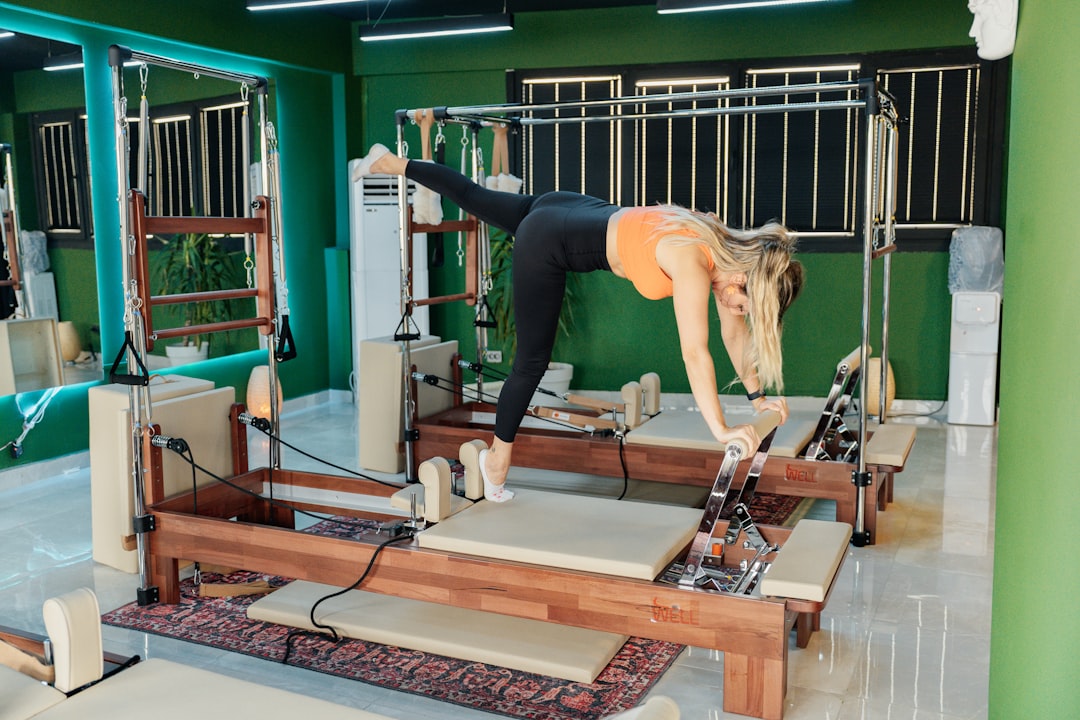
Pilates also has different types: mat Pilates (on a mat) and reformer Pilates (equipment-supported) are among the best known. Mat Pilates generally works with body weight and can be an option that can be practiced anywhere. The reformer, on the other hand, can make some movements easier to understand or more controllable by providing resistance with springs and a moving platform; which is more suitable may vary depending on goals and current level.
For beginners, the most important point may be doing the movements “closer to correct” rather than doing “a lot” of them. Even simple tips such as not holding your breath, not tensing the neck-shoulder area unnecessarily, and being aware of the curve in the lower back can noticeably make the experience more comfortable. Feeling challenged in the first lessons can be considered normal; however, in situations that turn into pain or create sensations like stabbing in a joint, stopping the movement and consulting a professional is a safer approach.
Setting a goal at the beginning can also support motivation: goals that touch daily life, such as “sitting more upright,” “feeling stronger around the waist,” or “less stiffness in the mornings,” are usually more sustainable. The number of classes and the pace can be shaped according to the person’s lifestyle; short but regular practices can create better habits for some people.
In short, Pilates can be seen as an exercise system that brings together breathing, control, and body awareness with the aim of getting stronger, supporting posture, and improving movement quality. Starting at an appropriate level for beginners, asking for modifications when needed, and paying attention to signals from the body can make the process safer and more enjoyable. Over time, small improvements can accumulate and help you feel more comfortable and balanced in daily movements.