
What Is Breath Control in Pilates and How Is It Done? Basic Techniques
Pilates is an exercise approach that focuses on managing movement in a controlled way, and one of the important parts of this control is breath awareness. Tracking the rhythm and direction of the breath can make movements feel more fluid for many people and can help reduce mental distraction during exercise.
The purpose of breath control in Pilates and its harmony with movement
When we talk about breath control in Pilates, the aim is not only to “take deep breaths,” but to use the breath in a way that is in harmony with the movement. This harmony can be supportive for some people in terms of feeling the abdominal and core area better, maintaining posture, and noticing unnecessary tension throughout the workout.
The technique of inhaling through the nose and exhaling through the mouth
In general, inhaling through the nose and exhaling through the mouth is a commonly used approach in Pilates practice. While inhaling through the nose helps soften the rhythm, controlled exhalation through the mouth can increase the sense of “lengthening the breath”; this can make it easier to regulate the pace of the movement, especially during challenging parts.
Breathing into the ribs: The approach of expanding to the sides and back
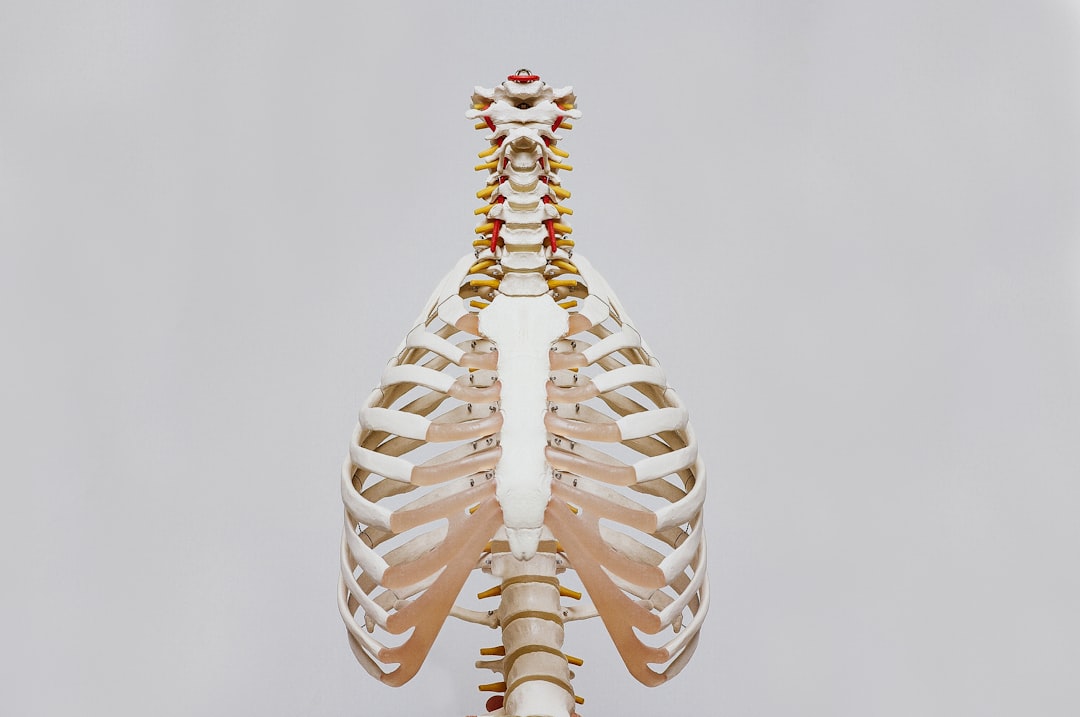
Another point often emphasized in Pilates is the idea that the breath expands “to the sides and back” toward the rib cage. This type of breathing can help deepen respiration without unnecessarily pushing the abdominal area; at the same time, it can support a feeling of keeping the lower back and pelvis area more stable in some people.
Matching the phases of exhaling and inhaling to the movement
The moment of exhalation can be paired in most exercises with the intention of gathering the core and controlling the movement. Imagining that you gently draw your abdominal muscles inward as you exhale during a challenging phase can help prevent the movement from “falling apart.” The goal here is to achieve a gentle activation without holding your breath or tensing yourself up.
The moment of inhalation can generally be thought of as a phase in which the body lengthens, the rib cage expands, and space is created for the movement. For example, inhaling while lengthening the spine, lifting the arms upward, or transitioning into a preparatory position can provide a more comfortable flow for some people. Still, rather than a single correct pairing for every movement, finding a rhythm by listening to the body may be more realistic.
Reducing breath-holding, awareness practices, and a safe approach
The tendency to hold the breath can be common, especially in beginners or in the middle of challenging repetitions. When you notice this, reducing the number of reps, decreasing the range of motion, or slowing the tempo can make things easier. Working at a speed where the breath is not interrupted can help establish technique in the long term.
Short awareness practices can also be useful to improve breath control in daily life. For example, a few times during the day, relaxing the shoulders and doing 3–4 calm breathing cycles, observing the ribs opening and closing to the sides, can make it easier to find the breath in Pilates classes.
If breathing creates dizziness, pronounced discomfort, or a sense of anxiety, easing the exercise and consulting a professional may be a good option. Since everyone’s breathing capacity, posture habits, and stress level are different, adapting breath work to the individual may offer a healthier approach.
In summary, breath control in Pilates can become more effective when it is considered not as a second “task” alongside the movement, but as part of the movement itself. With regular practice, achieving breath–movement harmony can support a more controlled, calmer, and more focused exercise experience for many people.