
What Is a Pre-Bedtime Pilates Mobility and Stretching Routine, and How Do You Do It?
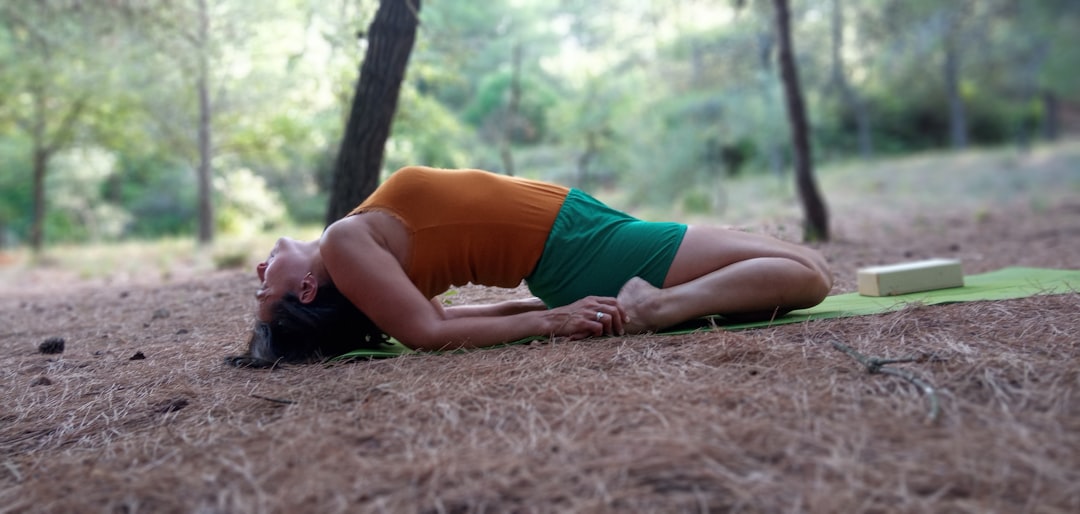
The pace of the day, sitting for long periods, staying in front of a screen, or stressful thoughts can accumulate in the body as a feeling of “tension” in the evening. At this point, gentle Pilates-based mobility and stretching work can help you create a calm routine that supports the transition into sleep. Of course, everyone’s body and sleep pattern are different; therefore, the goal is not performance but relaxation and listening to the body.
The Relationship Between Evening Movement and Sleep Quality
Sleep quality can be related not only to how long you sleep, but also to how you transition into sleep. Low-intensity movements done in the evening can help reduce the muscle tone that builds up during the day, create a sense of “opening” in the joints, and slow the mind by focusing on the breath. Especially instead of fast and exhausting exercises, choosing a controlled and flowing sequence may feel better.
Pilates-Based Breathing and Relaxation Principles
What aligns this kind of sequence with Pilates is that it emphasizes matching movements with the breath. Trying to inhale through the nose and exhale long through the mouth may make it easier for some people to relax. Not holding the breath, not forcing yourself “to stretch more,” and allowing each repetition to become softer fits better with the basic logic of an evening practice.
Preparing the Environment for a Pre-Sleep Routine
Before starting, it may be helpful to prepare the environment for sleep. Dimming the lights a bit, staying away from screens if possible, adjusting the room’s coolness, and using a non-slip mat on the floor are small but effective touches. Practicing at a time when you feel balanced—rather than very full or very hungry—can also increase comfort.
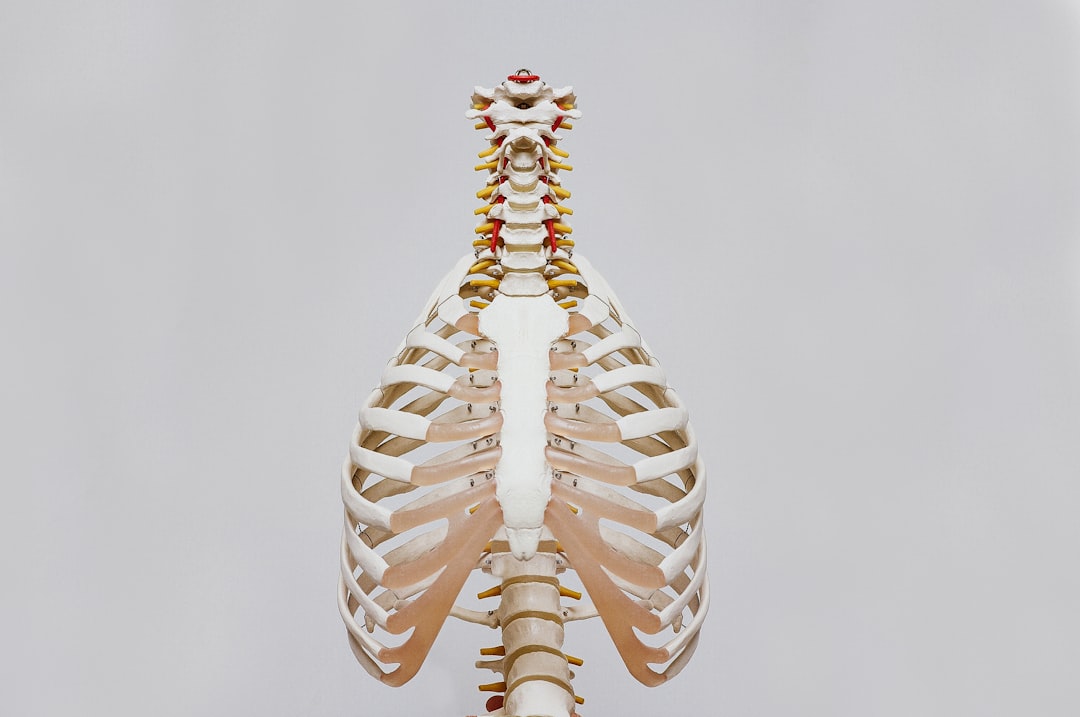
A relaxing evening sequence often starts well with spinal mobility. Small transitions that gently move the back and lower back can create a sense of “making space” in areas that stayed still all day. Rather than increasing the range of motion, trying to notice the spine segment by segment can offer a safer and calmer experience, especially for those who work at a desk.
The rib cage and shoulder area can tend to tighten along with stress. Gentle Pilates transitions similar to opening and closing the arms in a controlled way can help you feel the shoulder blades and relax without straining the neck area. Small reminders such as not pulling the shoulders toward the ears and not clenching the jaw can increase the effectiveness of the practice.
The hip area and the muscles around the hips can also stiffen due to sitting a lot during the day. Mobility-focused Pilates variations that gently rotate the hip outward and bring it back inward, moving the legs in a controlled manner, can help reduce the feeling of load on the lower back. The aim here is not “how much did I open up,” but that the movement feels comfortable and fluid.
Safety During Stretching, Core Balance, and the Sustainability of the Routine
People who feel tension in the hamstrings and calves may notice they struggle more when they rush during stretching. Softer, short-range stretches matched with the breath can make it easier to send a safe signal to the body. If there is sharp pain, numbness, or tingling during stretching, reducing the limit and, if necessary, consulting a professional can be a good approach.
For lower back and back comfort, rather than very intense core-focused work, choosing a balancing and calm “center awareness” may be more compatible with an evening routine. Instead of strongly pulling the belly in, observing the natural movement around the abdomen with the breath and trying to keep the lower back space neutral without forcing it can create a more peaceful feeling for some people.
Toward the end of the sequence, reducing the movements and transitioning to rest can strengthen the effect of preparing for sleep. Focusing on the breath for a few minutes in a comfortable supine position can help mentally close out the day’s rush. At this stage, being able to tell yourself “I’ll think about it tomorrow” can increase the calm you get from the practice.

In an evening Pilates mobility and stretching routine, keeping the duration long may not always be necessary. Some days, even an 8–10 minute sequence may be enough; on other days, a longer flow may feel good. What matters is establishing a habit that can be done regularly and adjusting the intensity according to the signals your body gives.
Finally, supporting sleep quality usually depends not on a single habit but on the sum of small behaviors. Reducing caffeine in the evening, limiting bright light before bed, and bringing the body into a “saying goodbye to the day” mode with a gentle Pilates-based sequence can contribute to a more balanced sleep routine for many people. As you find the movements that suit you, it may be possible to turn this short evening practice into a sustainable space for relaxation.