
Pilates Flows for Neck Straightening (Office Neck): What It Is and How to Practice
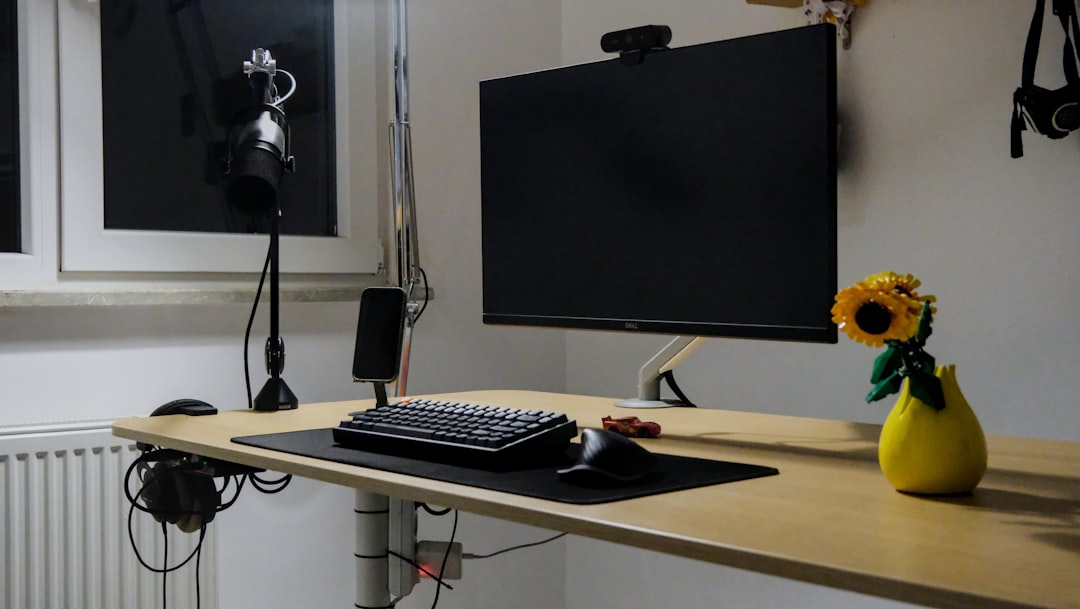
Posture in Front of the Screen and Why “Office Neck” Occurs
Spending long periods in front of a screen during the day, along with the shoulders rounding forward and the head subtly drifting forward without noticing, can increase the feeling of tension in the neck area. Some people describe this as “office neck”; over time, posture habits may also be accompanied by a sense of reduced natural curvature in the neck. Gentle Pilates-based flows can be considered a supportive option to help use the body more balanced, become aware of posture, and ease the neck-shoulder line.
The term “neck straightening” is generally associated with a decrease in the neck’s natural curve, and it may be helpful not to think of it as a symptom on its own. Daily stress, sleep position, inactivity, a habit of clenching the jaw, or poor ergonomics can contribute to this picture. For this reason, an approach based not on a single exercise but on small corrections throughout the day and regular, controlled movement may be more sustainable for most people.
How Pilates Supports the Neck-Shoulder Line
Pilates stands out for office neck in that it tries to teach proper alignment rather than “pushing harder.” Breathing, core awareness, and balanced use of the shoulder girdle can help the neck avoid carrying the load on its own. The aim here is not to pull on the neck or stretch quickly, but to support the head, ribcage, and pelvis in staying on a more harmonious line.
A Short Morning Pilates Flow and Micro Neck Movements
A short flow that can be done at the start of the day may increase posture awareness throughout the day. Lying on your back with your knees bent and taking a few breaths with the sensation of “softly letting the back of the head get heavier” into the floor can be a good start. Then, gently drawing the chin back (without trying to create a double chin), imagining that you are lengthening the nape, and making small-range nod-like micro movements may help reduce unnecessary tightening around the neck in some people.
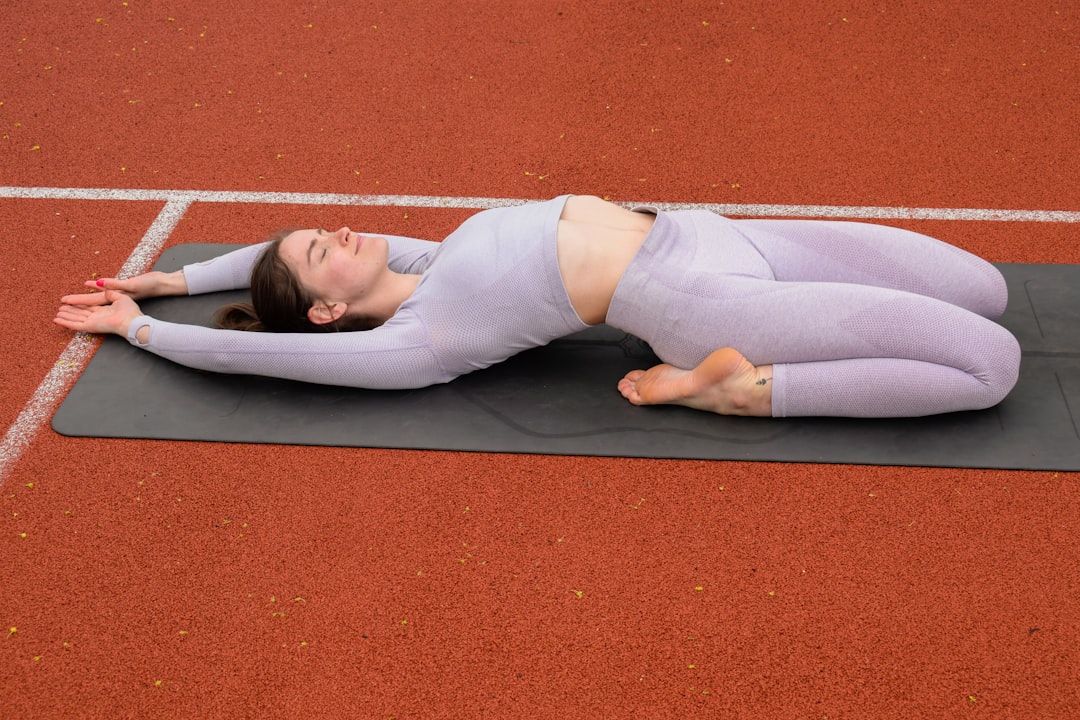
A section focusing on the shoulder girdle aims to balance the forward-closing feeling commonly seen in office neck. In a supine position, taking the arms out to the sides and trying to place the shoulder blades down and back “as if sliding them into your back pockets” can make it easier to notice the shoulders lifting toward the ears. During this, paying attention so the ribs don’t flare forward can reduce taking the movement from the neck and increase trunk control.
A Mini Pilates Break at the Desk and a Chest-Opening Flow
A mini Pilates break that can be done at your desk midday may help distribute the load accumulated by long periods of sitting. While sitting on a chair, placing the feet on the floor and taking 4–5 slow breaths while thinking of lengthening from the crown of the head, then—rather than turning the head right and left—keeping the gaze fixed on the horizon and rotating the torso right and left in a very small range may be a safer option. In this way, instead of “pulling” from the neck, the goal can be to gently engage the thoracic area (the upper back).
A flow that can help open the chest area may balance the inward collapse increased especially by keyboard and phone use. Without interlacing the hands behind the neck and without letting the head be carried, focusing on widening the elbows and creating space across the front of the chest may be more comfortable for some people. The key point here is to seek a “soft expansion” of the ribcage without going into excessive arching of the lower back.
End-of-Day Relaxation, Ergonomics, and Safe Practice Tips
A calmer series that can be done at the end of the day may help soothe the nervous system and notice tension along the neck-jaw line. Lying on your back near a wall and placing the legs on a chair to relax the hips and lower back may make the breath feel freer. Then, noticing the tendency to clench the jaw and allowing the tongue to rest softly on the palate may help reduce unnecessary work of the small muscles at the front of the neck.
To make the flows more effective, it can be useful to think of daily ergonomics as part of Pilates. Keeping the screen close to eye level, not pulling the shoulders up, keeping the elbows from being too far from the torso, and having the ribs “stacked” over the pelvis while sitting can support the effects of the exercises. Small adjustments like using headphones instead of pinning the phone to the ear, or holding the device higher while texting, can also help reduce the load on the neck area.
Some tips during practice are important for a safe and comfortable experience. If symptoms such as pain, numbness, weakness in the hand, dizziness, or increasing headaches occur while doing the movements, it may be more appropriate to stop the exercise and consult a professional. Also, instead of fast, forceful neck turns, choosing small-range, breath-coordinated, controlled movements may offer a more comfortable approach for most people.
In the process of coping with neck straightening and office neck, Pilates flows can be thought of less as a standalone solution and more as a habit that supports lifestyle. When regular but gentle practice, short breaks during the day, better screen-and-sitting adjustments, and breath awareness come together, they may contribute to the neck-shoulder line feeling more comfortable for some people. By listening to your own body and, if needed, creating a personalized plan with a physiotherapist or Pilates instructor, you can make the process safer and more sustainable.