
Home Pilates or Studio Pilates? Selection Criteria, Benefits, and Key Differences
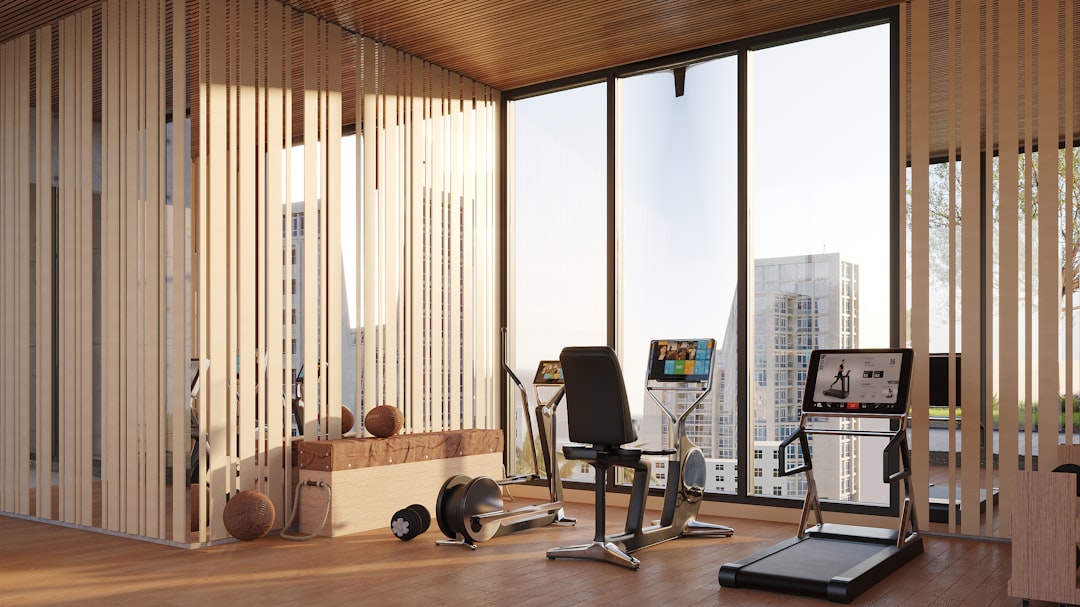
Key Decision Points Between Doing Pilates at Home and in a Studio
Pilates can be seen as an exercise approach focused on increasing body awareness and moving with control. However, the question “at home or in a studio?” is not just a matter of comfort for most people; factors such as goals, budget, time management, and safety can influence the choice. The most accurate option is usually shaped not by a single right answer, but by a person’s needs and habits.
Pilates at Home: Accessibility, Time, and Motivation
Doing Pilates at home can offer an accessible option, especially for those with time constraints. Without the hassle of commuting, it may feel easier to add short sessions into a routine, which can support consistency. On the other hand, distractions at home can lower motivation or cause the program to become irregular.
Pilates in a Studio: Structured Flow and the Impact of the Class Environment
One of the strengths of studio Pilates is that it can help you progress within a more structured flow. The time set aside to go to class can create an “appointment” effect for many people, increasing consistency. In addition, the class environment can boost motivation for some; for others, it may feel more stressful due to the sense of crowding.
Pilates Equipment: Mat Work at Home and Studio Machines
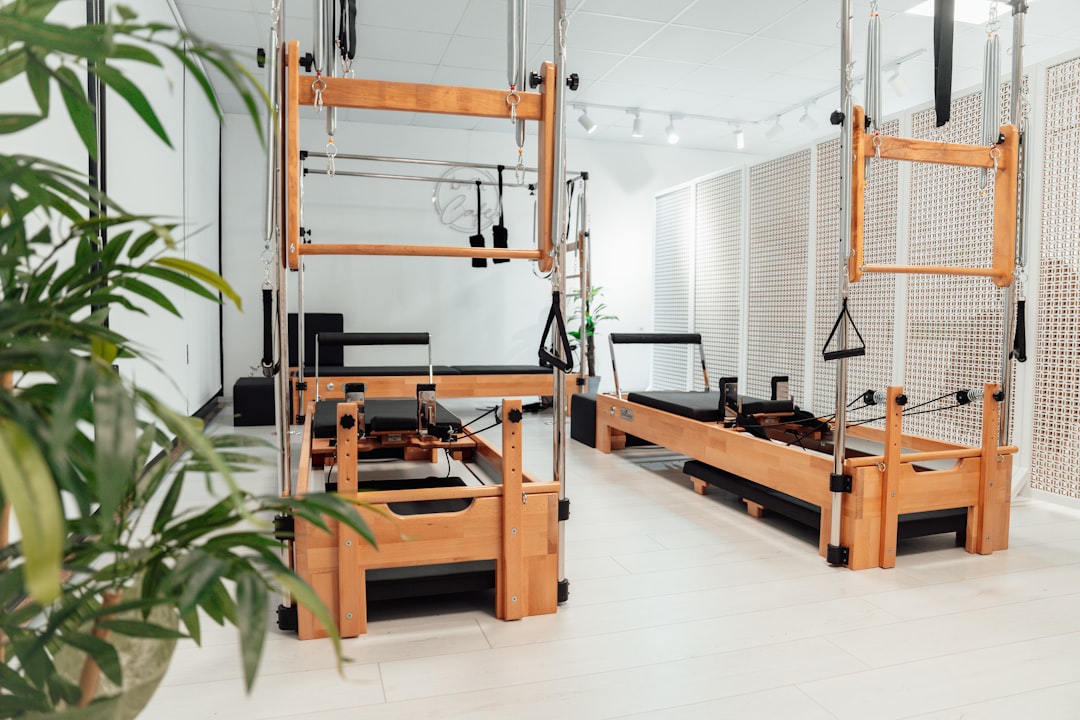
The equipment topic can make the difference between the two options clear. At home, people typically work with more basic tools such as a mat, resistance band, and small ball, and these can be adapted to many levels. In studios, however, large equipment like the reformer, cadillac, and chair can offer different resistance and support options, increasing movement variety and room for personalization.
An advantage of working with equipment at home is the flexibility to invest only as much as needed. At a beginner level, it may be possible to establish the basic principles with a simple mat and a few auxiliary tools. Still, if home space, storage conditions, and usage habits are not considered when choosing equipment, it is common for purchased items to end up unused after a while.
Discipline, Safety, and Instructor Guidance: Which Is Suitable for Whom?
Discipline and self-management are among the key points of doing Pilates at home. Because a person can set their own pace, this freedom can be motivating; yet the same freedom can also feed the “I’ll do it tomorrow” cycle. For this reason, for those who choose to work at home, setting a day and time, planning short but regular sessions, and progressing with level-appropriate content can be supportive.
In studio classes, discipline can often be established more easily thanks to an external structure. With the instructor’s guidance, the class pace, rest intervals, and progression can move forward more evenly. Nevertheless, fixed studio hours can make sustainability difficult for shift workers or those with busy schedules.
When it comes to injury risk, it can be remembered that the risk is often less about “Pilates or not?” and more about “how it’s done.” The most challenging point when working alone at home is often being unable to accurately assess posture and alignment; unnecessary strain can occur, especially in areas such as the lower back, neck, and knees. Progressing slowly, not forcing range of motion, and paying attention to pain signals can help at this point.
In a studio, the factor that can help reduce injury risk is the instructor’s real-time corrections and ability to offer appropriate modifications. Even a small change in angle in some movements can significantly affect load distribution. Still, since each studio’s approach may differ, the instructor’s experience, class size, and the level of attention they can devote to the individual are among the important factors.
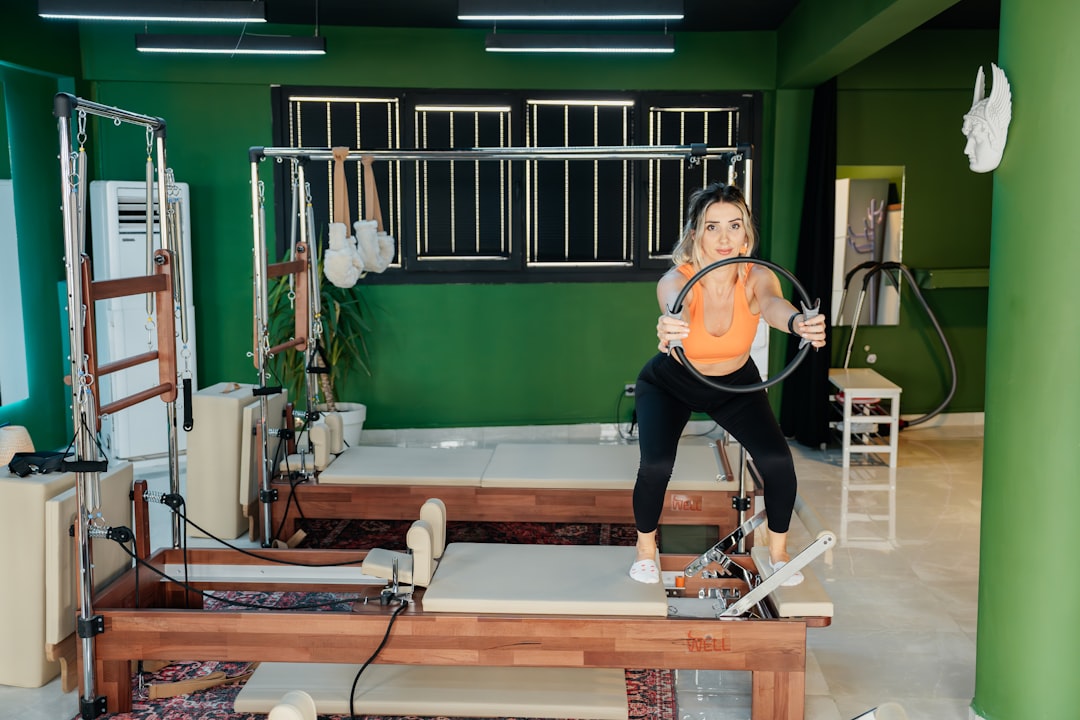
The difference that instructor guidance makes is not limited to simply “showing the correct movement.” Core elements of Pilates—such as breathing, core activation, and the rhythm of movement—can be understood more quickly with external feedback. While this guidance can be partially supported through video content when working at home, the inability of videos to provide personalized corrections remains a significant limitation.
People for whom home Pilates may be more suitable can include those who enjoy working independently and those who feel confident with basic movements. Those who want to spread short workouts throughout the day, have limited access to a studio, or are looking for a more economical option may also benefit from a home setup. For those in this group, choosing level-appropriate content and creating a simple progression plan can increase sustainability.
Studio Pilates, on the other hand, can offer a more supportive environment especially for beginners, those who want to develop body awareness, or those who feel hesitant with certain movements. Those who want to work with machines such as the reformer, seek a more structured program, and progress more consistently with a sense of accountability may also feel more comfortable in the studio model. That said, practical conditions such as budget, transportation, and class times also need to be taken into account.
An approach that makes the decision easier can be to set a short trial period. For example, establishing a routine with basic mat sessions at home for a few weeks and then getting form feedback through a few studio classes can provide a good balance for some people. Such a hybrid arrangement can be considered a supportive option in terms of both flexibility and technical improvement.
In conclusion, choosing between Pilates at home and Pilates in a studio may not be based on a single criterion. When factors such as equipment needs, discipline habits, the search for support against injury risk, and instructor feedback are considered together, the most suitable path for the individual can be seen more clearly. Creating a routine that makes you feel good, is sustainable, and encourages safe progress may be the most valuable point, whichever option you choose.