
Does Pilates Help You Lose Weight? How It Affects Fat Burning and Body Toning
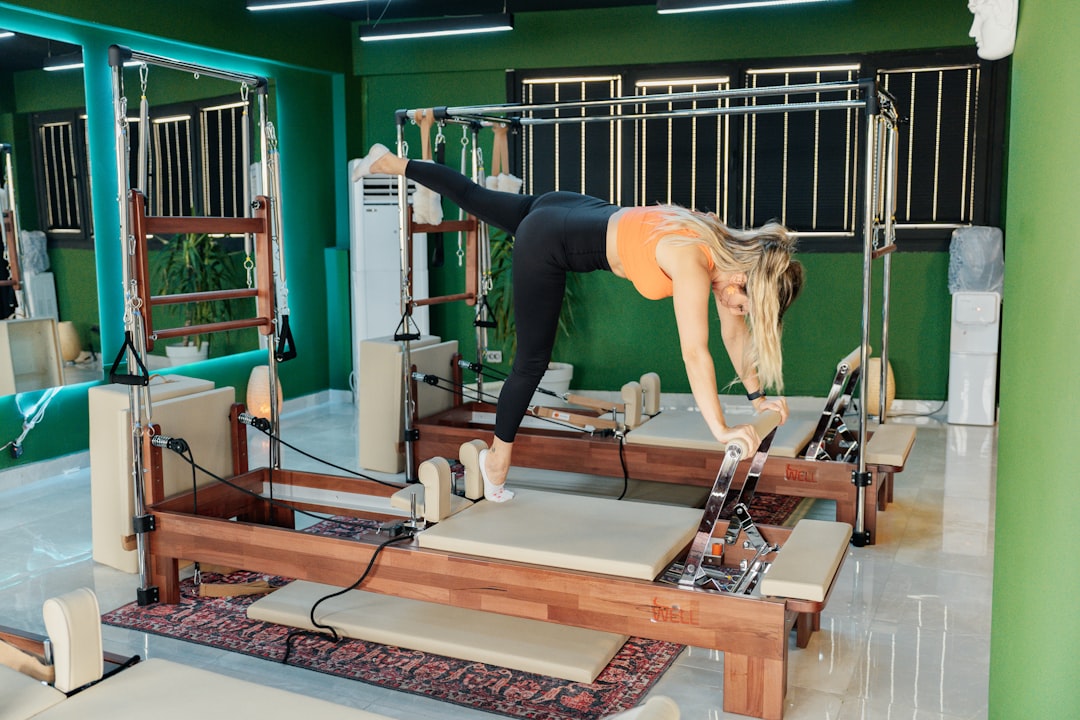
Pilates is a type of exercise that many people approach with the question, “Does it help you lose weight?” However, evaluating Pilates’ impact only by the number on the scale can cause you to miss the bigger picture. Because this style of training often progresses through body shaping, posture, and muscle control; accordingly, results may be felt more in measurements and appearance than on the scale.
Losing weight with Pilates: energy balance and sustainability
Pilates’ effect on weight loss is basically related to energy balance. In other words, if the energy taken in during the day remains higher than what is burned for a long time, doing Pilates alone may make weight loss limited. On the other hand, regular Pilates can help create a foundation that supports fat loss by increasing daily activity, contributing to muscles working more efficiently, and making an exercise routine sustainable.
Does Pilates burn fat? The difference from cardio and indirect effects
When asking “Does Pilates burn fat?”, it is important to set expectations correctly. Pilates generally has a low-to-moderate intensity, controlled and flowing structure; therefore it may not be put in the same category as cardio workouts that burn very high calories. Still, when practiced regularly, it can indirectly support fat burning through ways such as muscles working more actively, post-workout energy expenditure continuing to some extent, and overall fitness increasing.
Body toning with Pilates and improving posture
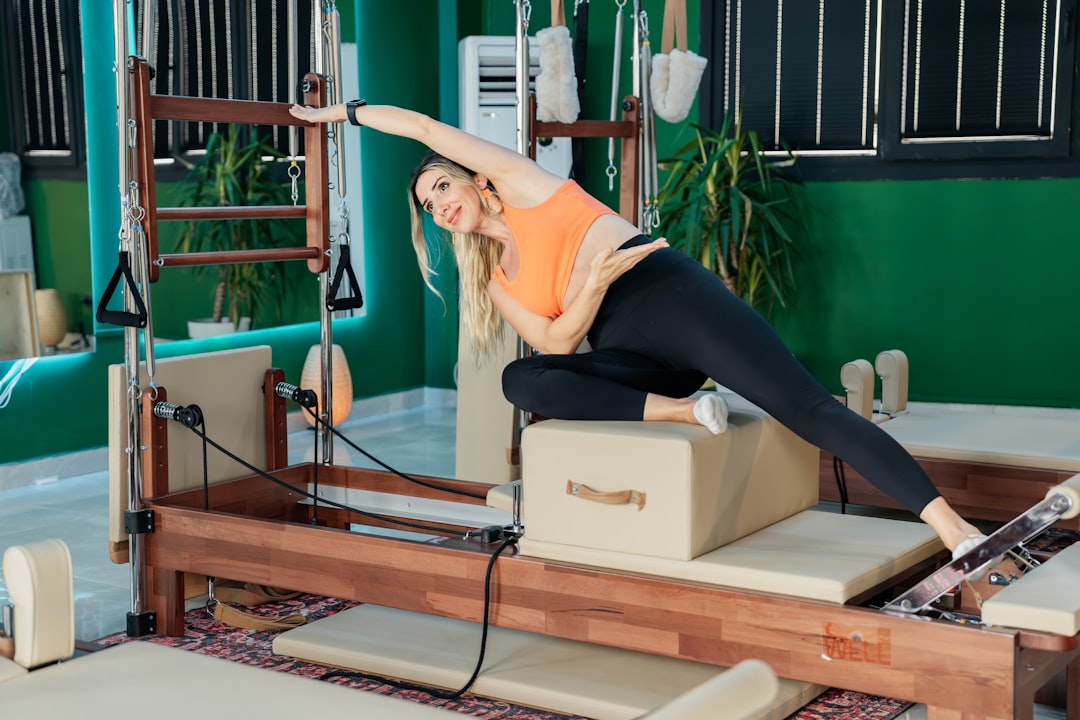
One of the topics that stands out when it comes to Pilates is “body toning.” This feeling of tightness often becomes more noticeable as muscle endurance increases, the core area engages better, and posture improves. Effects such as the shoulders moving back, the abdomen staying more controlled, or the hip area looking more lifted can strengthen a person’s perception of “slimming down” even if there is not a big change on the scale.
Why does the scale change slowly? The muscle–fat balance and the difference in appearance
In terms of weight expectations, the result of Pilates can vary from person to person. For some people, the scale may drop more slowly, while it may be noticeable that clothes start to fit more comfortably. One reason for this is that changes in the muscle–fat balance do not always show up on the scale at the same pace; muscle tissue can be more compact in volume and can contribute to the body looking more shaped.
Changes in measurements are among the transformations Pilates practitioners notice most often. Millimetric but regular changes around the waist, hips, legs, and upper body can accumulate over time and become noticeable. For this reason, instead of tracking only weight, taking periodic measurements from a few areas such as the waist circumference can help interpret progress more accurately.
Understanding the muscle–fat balance also clarifies the question, “Why am I the same weight but look different?” Pilates can be effective on body composition by working deep stabilization muscles, increasing movement quality, and contributing to balanced muscle development. While this supports a tighter, more upright, and more put-together appearance in some people, it can also lead to more limited changes on the scale.
Consistency and a holistic approach to get results from Pilates
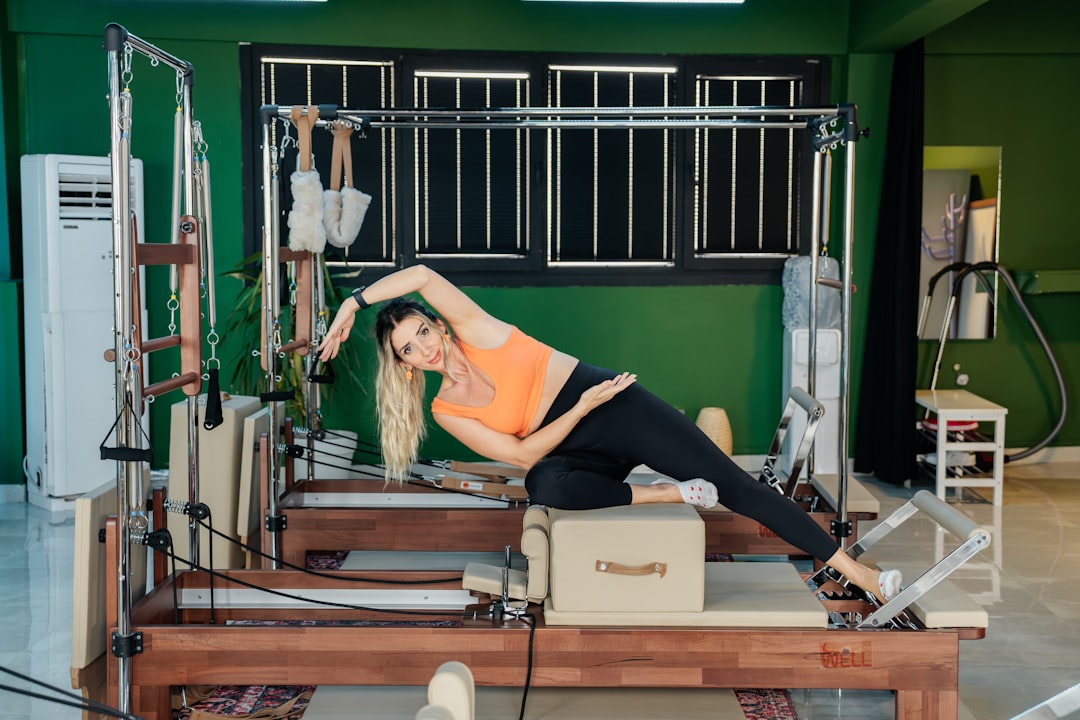
For realistic results, consistency is an important factor. Practicing regularly a few days a week, performing the movements with correct form, and gradually increasing the difficulty level can help the body adapt. In addition, sleep routine, daily step count, stress management, and nutrition habits can also play a decisive role in fat loss and measurement changes.
For those who do Pilates with a fat-loss goal, the most efficient approach may be to make it part of a holistic plan. For example, increasing daily activity, occasionally adding cardio-containing activities such as brisk walking, and establishing a routine that supports recovery can provide more balanced progress. In this way, Pilates is positioned not with an expectation of a “miracle” on its own, but as a building block of a sustainable lifestyle.
In summary, Pilates can contribute to weight loss in some people; more often, it stands out with more visible benefits such as changes in measurements, the body tightening, and posture improving. The scale alone may not tell the whole story; evaluating indicators such as measurements, photos, how clothes fit, and your daily energy together can offer a healthier perspective. When you give yourself a realistic timeframe and progress consistently, the likelihood of Pilates supporting changes in your body increases.