
Is Counting Calories Necessary? Calorie Tracking in Food Apps and Alternative Methods
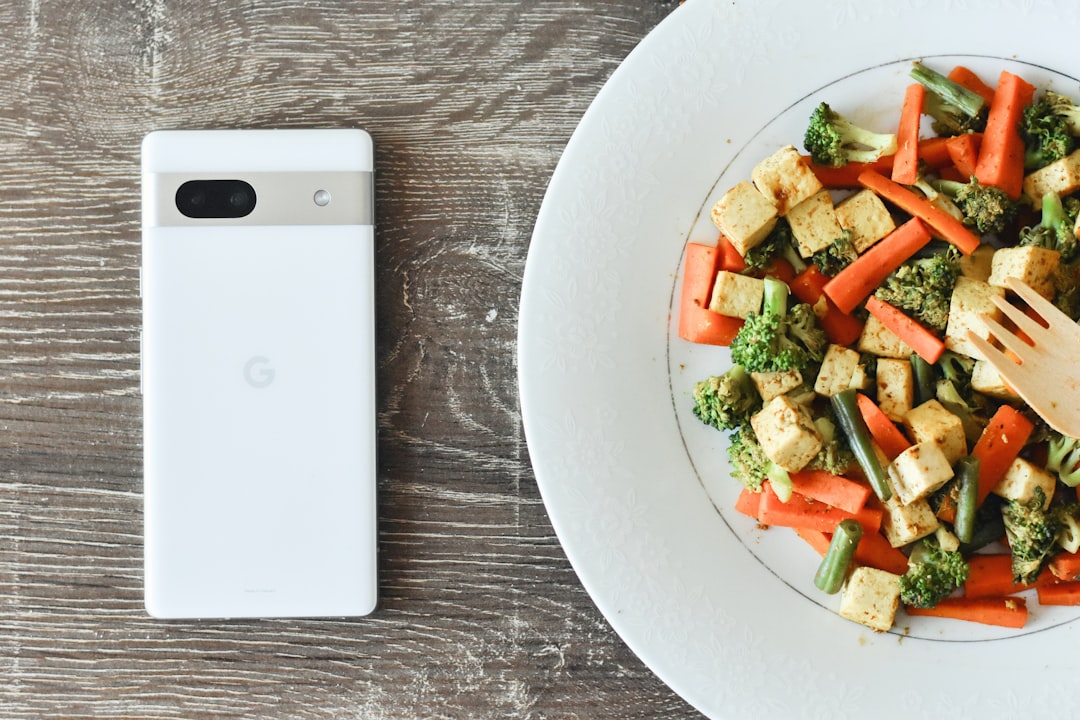
In food apps, taking a photo of a plate and seeing an approximate calorie value can make tracking daily nutrition more practical. While such features raise awareness for some people, for others they can turn the process into a tiring “number-crunching” routine. That’s why the question “Is counting calories really necessary?” can be seen as a topic with no single answer, shaped by a person’s goals and lifestyle.
When Does Calorie Tracking Work?
Calorie tracking can be useful especially when portion perception gets confusing or when the question “How much did I eat?” often comes to mind during the day. Counting for a while can help you recognize energy-dense foods and see how small additions grow by the end of the day. Still, monitoring every meal with numbers can strain motivation for people who need enjoyment and flexibility; at that point, more sustainable alternatives can come into play.
More Balanced Nutrition Without Making Calories the Only Criterion
Instead of making calories the only criterion, centering the meal’s satiety and nutritional value can often offer a more balanced approach. It should not be forgotten that two meals with the same calories can be very different in terms of fiber, protein, healthy fats, and micronutrients. Therefore, thinking about the question “How many calories?” sometimes together with “How long will this meal keep me full and what will it provide me?” can make choices easier.
How Reliable Are Food Photo and Calorie Estimation Features?
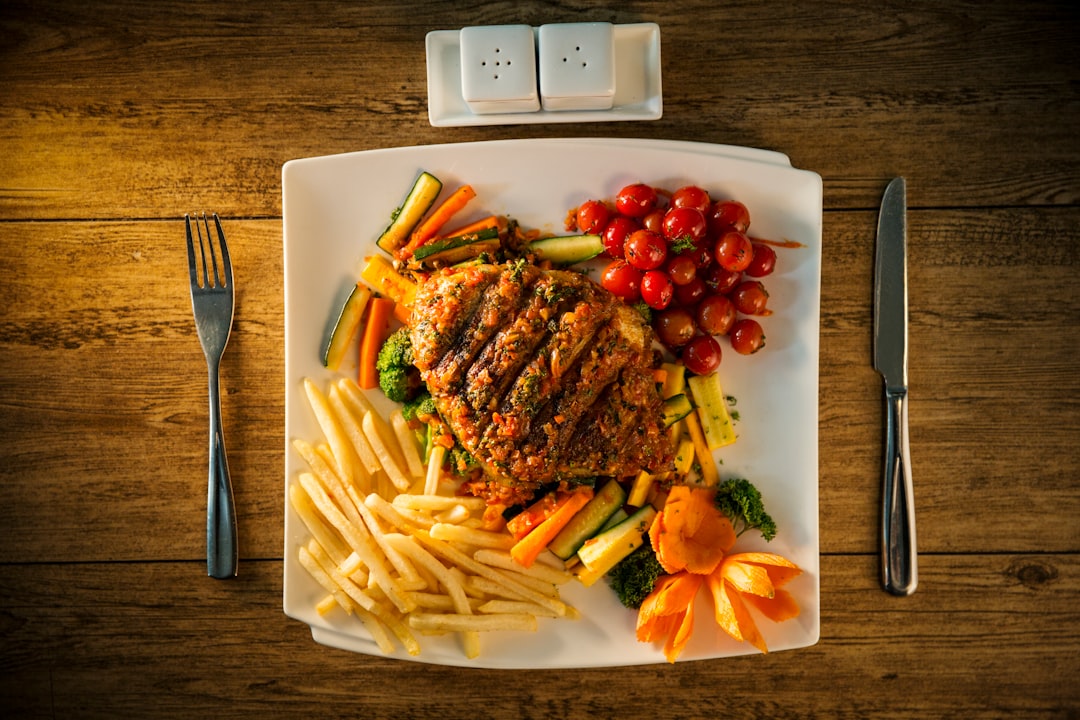
Food photo and calorie estimation features in apps can be used more like a reference point than with a claim of perfect accuracy. Details such as the cooking method, amount of sauce, portion size, and the oil used can affect the estimate. That’s why viewing this data as a “guiding clue” can help you benefit without unnecessary stress.
Practical Ways to Create Balance Without Counting Calories
One of the most practical ways to create balance without counting calories is the plate method. Diversifying part of the plate with vegetables, adding a protein source to another part, and completing the remaining portion with a whole grain or a starchy option offers an applicable framework for many people. Adding complements like yogurt, ayran, or fruit alongside as needed can also support the meal’s satiety.
To improve portion control without using numbers, the “starting portion” habit can work well. Starting first with a medium-sized portion, checking in with hunger again after 10–15 minutes, and adding more if necessary can make it easier both to listen to body signals and to feel satisfied without overeating. This method can help establish a calmer rhythm, especially in people who tend to eat quickly.
Increasing the focus on protein and fiber is a strategy that can support satiety management even without calculating calories. Options like eggs, yogurt, cheese, legumes, fish, or chicken, when combined with vegetables, fruit, and whole grains, can make it possible to stay full for longer. In this way, the need to snack during the day may decrease for some people, and balance between meals can be established more easily.
Regulating eating speed and attention level is also an alternative that is often overlooked. Since it can be harder to notice fullness signals during meals eaten in front of a screen, creating a short “focus space” for eating whenever possible can help. Chewing bites well and taking short pauses during the meal can support tracking how much you eat in a more natural way.
How to Build a Sustainable Routine Without Counting Calories?
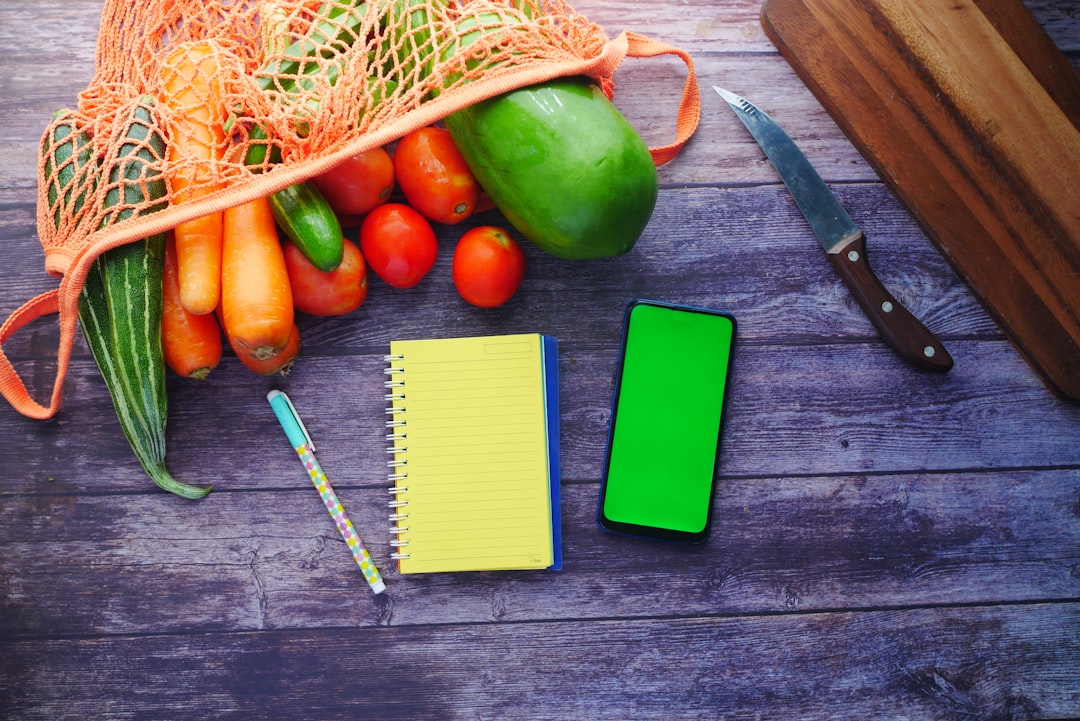
Establishing a weekly rhythm can enable planned progress without needing calorie counting. Keeping a few basic ingredients on hand at home, identifying practical snack options, and thinking of “easy menu” alternatives for busy days can ease last-minute choices. This approach can also make the process less tiring for people who track with photos in apps.
Calorie counting can be functional in some periods in terms of learning and awareness; however, it may not be considered necessary all the time for everyone. To support balanced nutrition, methods such as the plate method, portion awareness, protein-fiber balance, and small habits that improve eating behavior may stand out. Positioning the food photo and calorie feature in your app as a “guide” and focusing on consistency rather than numbers can offer a more sustainable path for most people.