
How to Set Your Protein Target: A Practical Approach for Weight Loss and Muscle Preservation
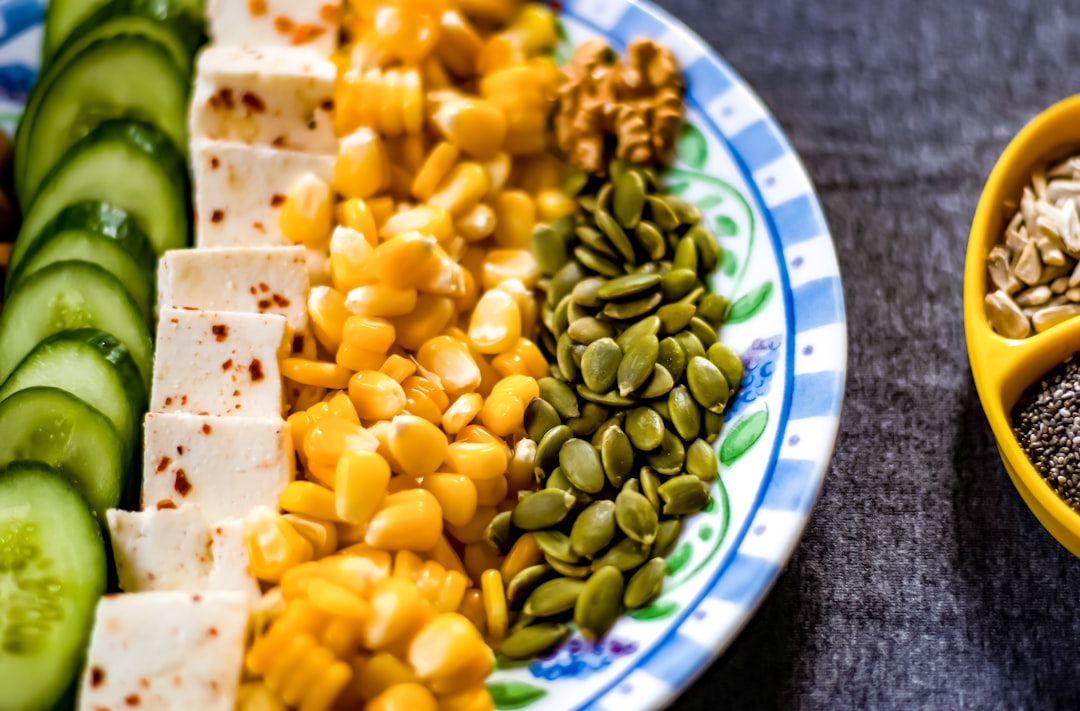
Basics of setting a protein goal
Setting a protein goal can both make daily nutrition more planned and offer a supportive framework for goals such as losing weight or maintaining muscle mass. Still, since it’s hard to talk about a single “correct” number, it’s usually more useful to consider variables such as age, current body weight, activity level, and goal together.
For a starting point, the most practical approach is to relate the goal to body weight. Many people find it easy to track daily protein with the “grams per kilogram” logic, because this method naturally accounts for the fact that needs can vary from person to person. The important point here is that the goal is not only a number, but also a sustainable habit plan.
Protein planning by age and meal balance
The age factor is a detail that can be overlooked in protein planning. As age progresses, situations such as decreased appetite, a tendency to skip meals, or increased difficulty maintaining muscle mass may occur. Therefore, for some people, distributing protein more evenly throughout the day and allocating an adequate share at each meal may be a more feasible strategy than increasing the total amount.
How does a protein goal take shape during weight loss?
During weight loss, a protein goal often becomes more noticeable; because when a calorie deficit occurs, supporting satiety and trying to preserve lean mass may come up. For some people, slightly increasing the protein ratio can help them stay full for longer. However, when setting the goal, it should not be forgotten that factors such as total energy intake, daily step count, and meal routine can also change the picture.
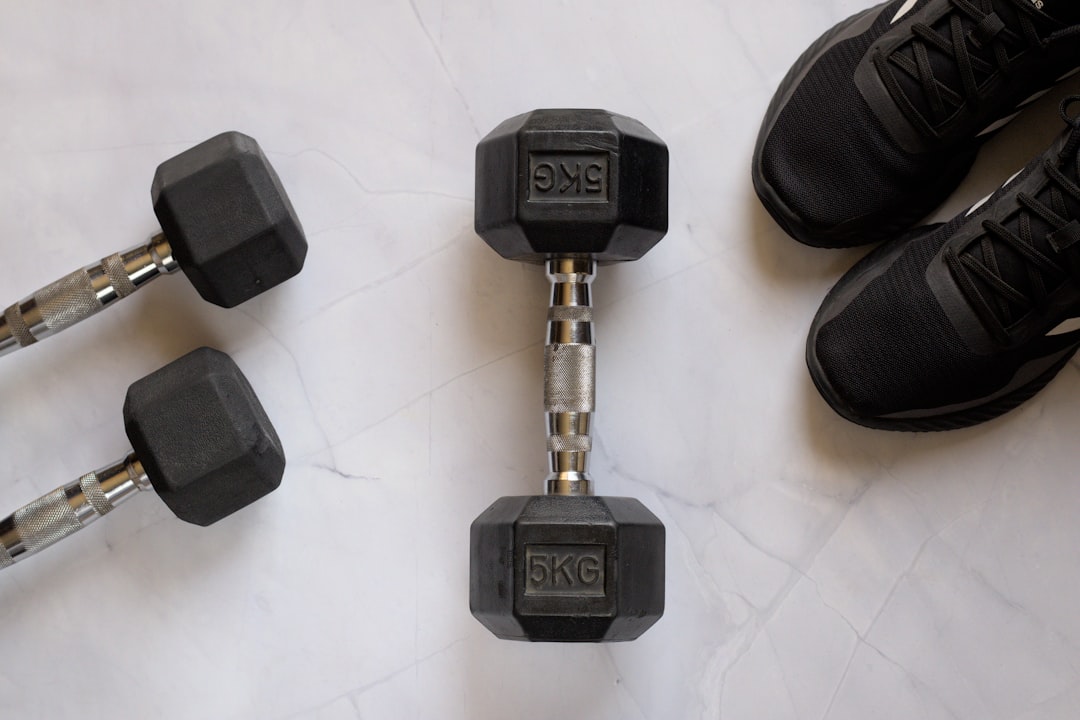
Activity level is one of the headings that directly affects the question “how much protein?” The plan for someone who takes regular walks may not be the same as that of someone who does strength training a few days a week. Especially for those doing resistance exercise, planning a meal containing protein in the hours close to after training may support the feeling of recovery for some people; still, balanced intake spread across the day is often more sustainable.
Spreading protein throughout the day: a strategy of dividing it among meals
To make the goal more personal, it can help to think of your day as three main meals and, if any, snacks. Rather than “loading” all the protein into a single meal, dividing it into similar shares at each meal can provide advantages both for digestive comfort and for regular eating. In addition, increasing the protein share at breakfast may help reduce the desire to snack throughout the day for some people.
Choosing protein sources, tracking methods, and updating the goal
Choosing protein sources is as important as the goal itself. Lean meat, fish, eggs, dairy products, legumes, soy products, and nuts can offer different amino acid profiles and different satiety effects. For those who eat mostly plant-based, pairing legumes with grains or ensuring variety throughout the day can be an approach that supports protein quality.

In practice, one of the methods that makes it easier to hit the goal is to use “simple, trackable measures.” For example, including one main protein source at each meal, adding fibrous vegetables alongside it, and adjusting carbohydrates according to the activity day simplifies many people’s daily plan. Practicality in the kitchen is also important; keeping pre-boiled legumes on hand or preparing easy options like yogurt can increase consistency.
When testing your own goal, it can be useful to monitor signals from your body. Questions such as whether you stay full for a long time, what your energy level is like, whether your post-workout recovery feeling changes, and whether the tendency to overeat during the day decreases can guide you. In addition, since increasing protein can cause digestive sensitivity in some people, making changes gradually and paying attention to adequate water–fiber balance can provide a more comfortable transition.
Finally, a protein goal can be thought of not as a “one-time calculation,” but as a plan updated according to living conditions. When activity level increases, when the weight-loss phase changes, or when appetite patterns differ with age, it can be useful to review the goal again. If you’d like, if you share information such as your age, height, weight, daily movement level, and your aim (weight loss, maintenance, performance), I can help you build a more personalized planning logic within the framework of general information.