
Why Won’t Lower Back and Neck Pain Go Away? Common Causes and Habits Behind Chronic Pain

When low back and neck pain persists for a long time, most people look for a single answer to the question, “Why hasn’t it gone away yet?” However, pain that becomes chronic may not appear to be tied to just one cause; many factors can intertwine, such as daily habits, movement patterns, stress, and rest routines. For this reason, approaching the issue with one-sided solutions like “just resting” or “just exercising” may not always provide the expected relief.
The Effect of Lack of Movement and Prolonged Sitting on the Low Back and Neck
Lack of movement can be one of the common triggers in the low back–neck region. Sitting for long periods, taking few steps during the day, or staying in the same position can negatively affect muscle endurance, joint range of motion, and circulation over time. In this situation, the body may develop tension more quickly even under a simple load, and the pain may feel like it is “easily triggered.”
Incorrect Movement Patterns and Repetitive Everyday Mistakes
On the other hand, the problem may not be only moving too little; how you move can also be decisive. Small but repetitive mistakes made unconsciously during the day—such as reaching forward to grab something, pinching the phone between the shoulder, or leaning toward the screen with the head carried forward—can create cumulative load on the low back and neck. Such incorrect movement patterns may set the stage for pain to persist or increase at certain times in some people.
One common situation in chronic pain is the “avoidance of movement” cycle. When pain is experienced, naturally one moves less; as one moves less, the body may become more prone to strain; this can trigger pain again. This cycle can continue as the person tries to protect themselves but actually reduces their tolerance.
Feeling low back and neck pain “constantly in the same place” may not always mean the same tissue is the problem. Sometimes restrictions in neighboring areas—such as the hips, back, or around the rib cage—can cause the low back or neck to do more work. For example, when hip movement decreases, the low back may try to rotate more; when the shoulder girdle is restricted, the neck may compensate more—creating chain effects.
Ergonomics: The Cumulative Load of Work Setup, Posture, and Daily Positions
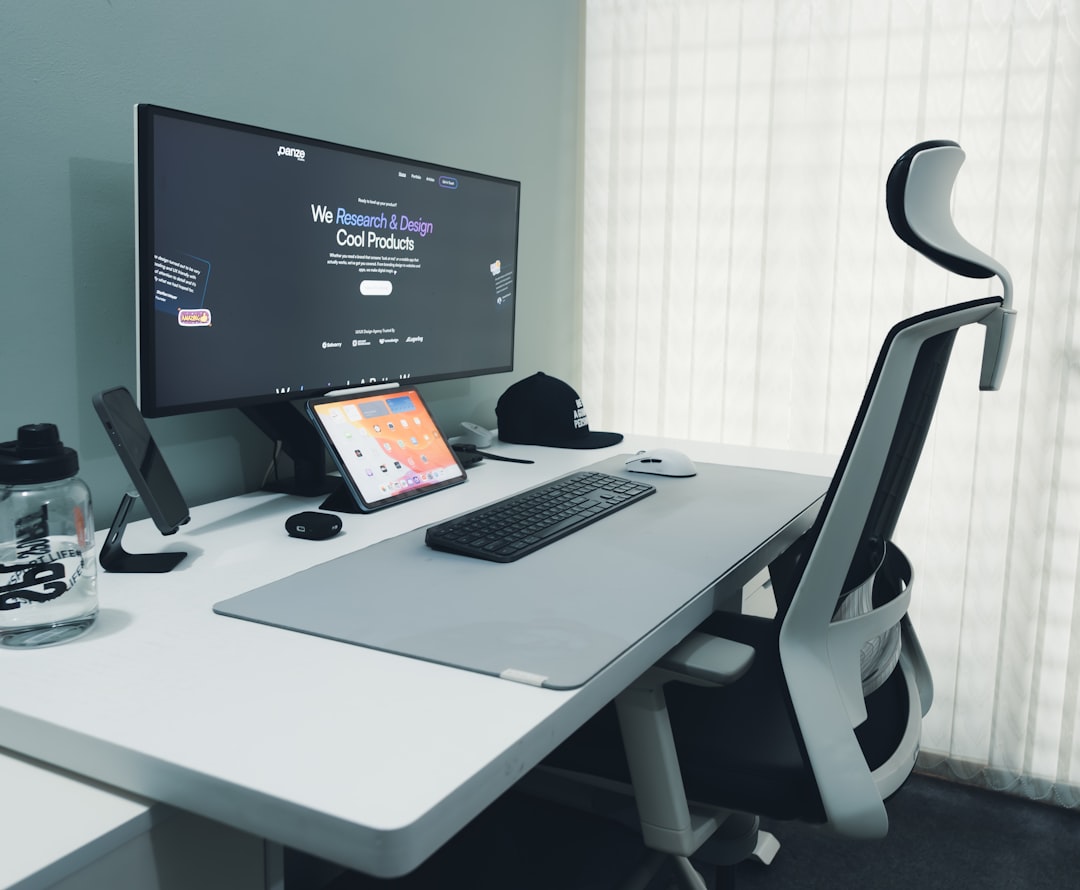
The ergonomics of daily life is also often overlooked. Details like desk height, screen position, chair back support, and reach distance to the keyboard may seem small, but they accumulate over days and weeks. Especially when staying in the same setup for a long time, the position the body finds “easiest” may not always be the “best” position.
The Effect of Sleep Quality and Rest Routine on Pain Perception
Sleep quality and rest routine are also among the areas that can affect pain perception. Insufficient sleep, frequently interrupted sleep, or waking up feeling unrested may increase muscle tension and lower the pain threshold in some people. The issue here is not only mattress choice; factors such as screen time before sleep, caffeine consumption late in the day, and the overall stress load during the day may also play a role.
Stress and mental load are another important factor that can be seen alongside low back–neck pain. During intense periods, unnoticed tension patterns may develop, such as shoulders rising, breathing becoming shallow, or clenching the jaw. This can contribute to pain feeling like it “flares up more quickly” and can make a person more sensitive toward their body.
Exercise Selection, Dosage, and Tracking Trigger Patterns
Another point that can be effective in pain not going away is focusing on “the same type” of exercises. Some people do only stretching, some focus only on strength training; yet the body may need mobility, endurance, and controlled strength. In addition to the content of the exercise, the dose, frequency, and gradual progression are also important; rapid increases can raise strain in some people.
A practical approach that builds awareness is to monitor pain through “trigger patterns” rather than a single label. Questions such as what times pain increases, in which positions it becomes noticeable, whether it eases after walking or rises after sitting can provide small clues. This observation can make it easier both to adjust habits and, if necessary, to consult a professional with clearer information.

Simple supportive habits that can be applied during the day may work for some people: breaking up sitting, taking a short stand-and-move break every 30–60 minutes, bringing the screen closer to eye level, trying to use the body symmetrically when carrying loads, and not dropping the head forward when using the phone. The goal here is not to achieve “perfect posture,” but to vary the routine that strains the same structure for a long time.
As a result, low back and neck pain not going away may not be explained by a single heading such as only lack of movement or only incorrect movement. Often, low movement, faulty habits, stress, sleep, and the body’s compensation strategies play a role together. Gently reviewing your own daily patterns, making small but sustainable changes, and seeking support from a healthcare professional if the pain lasts a long time, worsens, or clearly affects daily life may be safer and more guiding.