
What Is Shoulder Impingement? Scapular Control and Common Mistakes in Daily Life
The shoulder region is one of the areas we use the most throughout the day without realizing it. Even ordinary actions like opening a door, carrying a bag, reaching to grab something, or working at a computer rely on the coordination of the shoulder and shoulder blade. When this coordination is disrupted, some people may experience a “pinching” sensation, limited movement, or an uncomfortable strain.
The Feeling of Shoulder Impingement and the Role of Shoulder–Shoulder Blade Coordination
When shoulder impingement is mentioned, what usually comes to mind is discomfort felt when lifting the arm up, reaching overhead, or reaching backward. The shoulder joint does not work alone; the shoulder blade (scapula) glides and rotates over the rib cage and, together with the upper arm bone, creates a rhythmic movement. When this rhythm is disrupted, a feeling of pressure in the front-upper part of the shoulder can become more likely.
Scapular control is one of the unseen but decisive components of shoulder health. The scapula moves up and down, rotates inward and outward, and can tilt slightly forward and backward. In daily life, being able to use the arm “without pulling the shoulder up toward the ears,” “without excessively puffing up the chest,” and “without compensating from the low back” often depends on having sufficient control.
Common Movement Mistakes That Set the Stage for Shoulder Impingement
One of the most common mistakes is elevating the shoulder upward while raising the arm. Especially during hurried reaching, lifting loads, or working in tight spaces, the shoulders can unknowingly rise toward the ears. This habit can over-recruit the neck and upper trapezius muscles, making it harder for the scapula to move along a more efficient path; in some people, it may increase the pinching sensation around the shoulder.
Another common mistake is trying to keep the shoulder blade “constantly back and down” all day. This continuous squeezing, done with the intention of improving posture, may look upright in the short term but can restrict the natural upward rotation needed during movement. Rather than keeping the scapula fixed at all times, a more functional approach is allowing it to flow in the right direction at the right time.

Computer, Phone, and Posture: Habits That Influence the Feeling of Pinching in the Shoulders
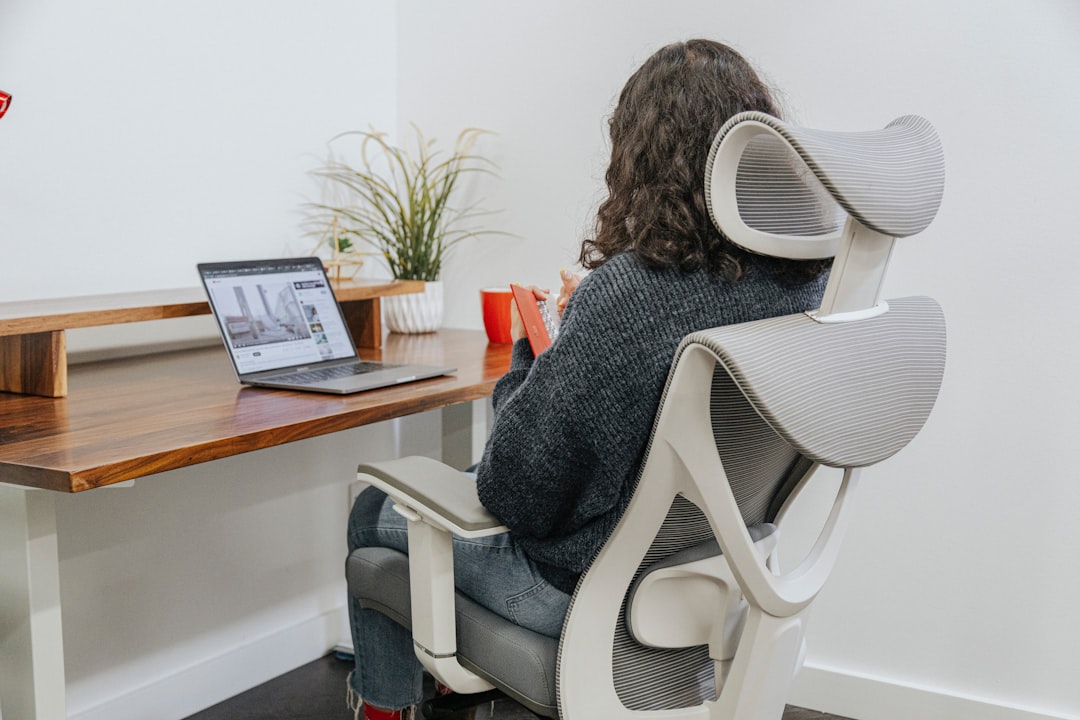
In computer and phone use, one behavior that can contribute to shoulder impingement is letting the chest collapse and the tops of the shoulders roll forward while keeping the arms in front. In this case, the scapula may tend to tip forward more, and the shoulder’s range of motion can narrow. Making small posture changes during the day and adjustments like bringing the screen closer to eye level and supporting the elbow can help reduce this load.
“Reaching from the waist” during daily tasks is also a habit that can cause unnecessary strain on the shoulders. When reaching to a high shelf, thrusting the ribs forward or excessively arching the low back spreads the work the shoulder should be doing into the trunk. For a more balanced reach, stepping to shorten the distance and trying to move the trunk as a single block can support shoulder–scapula coordination.
How you carry a bag is another area where mistakes are common. Carrying a heavy bag on one shoulder can cause one shoulder to be pulled upward continuously and the torso to lean to the side. Over time, this can challenge scapular control. Reducing the load, alternating sides, or using a two-strap bag can provide a more balanced distribution of weight.
Reducing Shoulder Load in Repetitive Housework and Overhead Movements
In repetitive movements like house cleaning, wiping windows, or placing items in overhead cabinets, the most common issue is “reaching out” from the wrist and elbow and locking the shoulder. Instead of keeping the arm’s direction on the same line continuously, taking short breaks and using the shoulder at different angles can help reduce repetitive stress on the tissues. Also, bringing the task closer to chest level can noticeably lighten the load on the shoulder.
Similar mistakes to daily life can also be seen during exercise or stretching. Especially in positions like push-ups and planks, completely “collapsing” the shoulder blades—or conversely, excessively “pushing” them—can increase the sense of poor control. The goal in these movements is to feel the scapula glide in a controlled way over the rib cage and to continue the movement with the breath without tensing the neck.
Improving Scapular Control in Daily Life and When to Seek Support
To improve scapular control in daily life, a simple awareness approach can be helpful. While lifting the arm, checking that the shoulder is not moving toward the ear, trying not to hold your breath throughout the movement, and finding a “long neck” sensation without forcefully puffing up the chest can support a more comfortable movement pattern for many people. These small checks tend to become automatic over time.
When discomfort is felt, the idea of “forcing it open more” may not always be a good strategy. Instead of making repeated attempts near the painful area, temporarily reducing the range of motion, breaking up the activity, and using the shoulder at more suitable angles may be a more sustainable approach. If complaints significantly affect daily life, speaking with a physiotherapist or physician may be valuable for an individualized assessment.
Many situations associated with the feeling of shoulder impingement may not be explained by a single muscle or a single “wrong posture.” More often, the issue is that the synchronization of the scapula and arm is disrupted by small daily habits. Learning to move without hiking the shoulder up, carrying loads more evenly, and organizing repetitive tasks wisely can support shoulder–scapula coordination and help you move more comfortably.