
What Is Movement Health? Ways to Move Correctly in Everyday Life

Movement health is a concept closely related to how you use your body in everyday life. It doesn’t only include people who work out; it also covers those who work at a desk, those who walk short distances during the day, those busy with housework, and those who drive for long periods. Because the small movements you make for most of the day can, over time, affect your posture, your energy, and your overall comfort.
Movement health approach: The habit of “moving more correctly”
This approach focuses on the habit of “moving more correctly” before the goal of “exercising more.” The method you use when standing up from a chair, carrying a bag, looking at your phone, or picking something up from the floor can change how the load on your joints is distributed. For some people, this difference may show up as less stiffness by the end of the day, better use of breathing, or a more balanced posture.
Moving correctly in daily life can help the body share the load without piling it onto a single area. For example, areas such as the lower back, neck, or knees can be strained more in certain habitual postures. The movement health perspective aims to use the body more efficiently by prioritizing the question “How am I doing this movement, and in what way?” rather than “Which muscle is stronger?”
The main risk in inactivity: Staying in the same position for a long time
One reason movement health matters even for someone who doesn’t exercise is that inactivity is often experienced not as “few steps,” but as “staying in the same position for a long time.” Sitting for long periods, standing still, or doing repetitive work in the same direction all day can increase the feeling of stiffness in some joints. Adding brief position changes and moving in different directions throughout the day can be a supportive approach.
The idea of moving correctly is different from the pursuit of perfect posture. Everyone’s body structure, flexibility, daily routine, and past experiences differ; therefore, instead of “one true way,” options that are “suitable for you and sustainable” may be more meaningful. What matters is noticing signals that strain the body and, if possible, making small adjustments that make movement more comfortable.
Posture and ergonomics adjustments in frequently repeated moments during the day
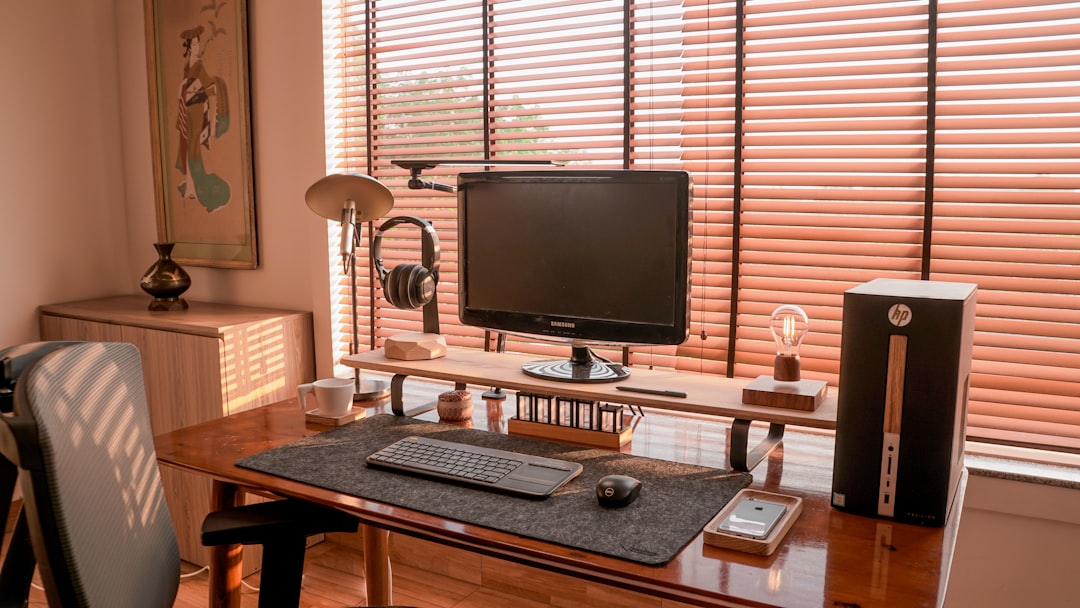
The moments repeated most often during the day are a good starting point for movement health. For example, simple adjustments such as keeping your feet in contact with the floor while sitting, bringing the screen closer to you instead of leaning toward it, or using headphones while talking on the phone without bending your neck to the side may help reduce neck-shoulder tension for some people. Because these kinds of changes can be applied even without motivation to exercise, they may become habits more easily.
Carrying daily loads more evenly and picking something up from the floor
When picking something up from the floor, instead of quickly bending from the waist, trying to keep the load close to the body and softening the knees to move toward a squat can create a more controlled feeling for most people. Similarly, rather than carrying grocery bags in one hand, distributing the load to both sides can help reduce built-up tension around the shoulders and lower back. The goal here is not “lifting heavy,” but learning to carry daily loads more evenly.
Movement health may not be limited to the musculoskeletal system alone; it is also related to breathing, attention, and fatigue. In stressful moments, unconsciously raising the shoulders, making the breath more shallow, or clenching the jaw are common situations. A few times during the day, letting the shoulders drop, slowing the breath a little, and directing the gaze toward the horizon line can create small breaks that may help reduce physical tension.
Micro-movement breaks and when to seek professional support?
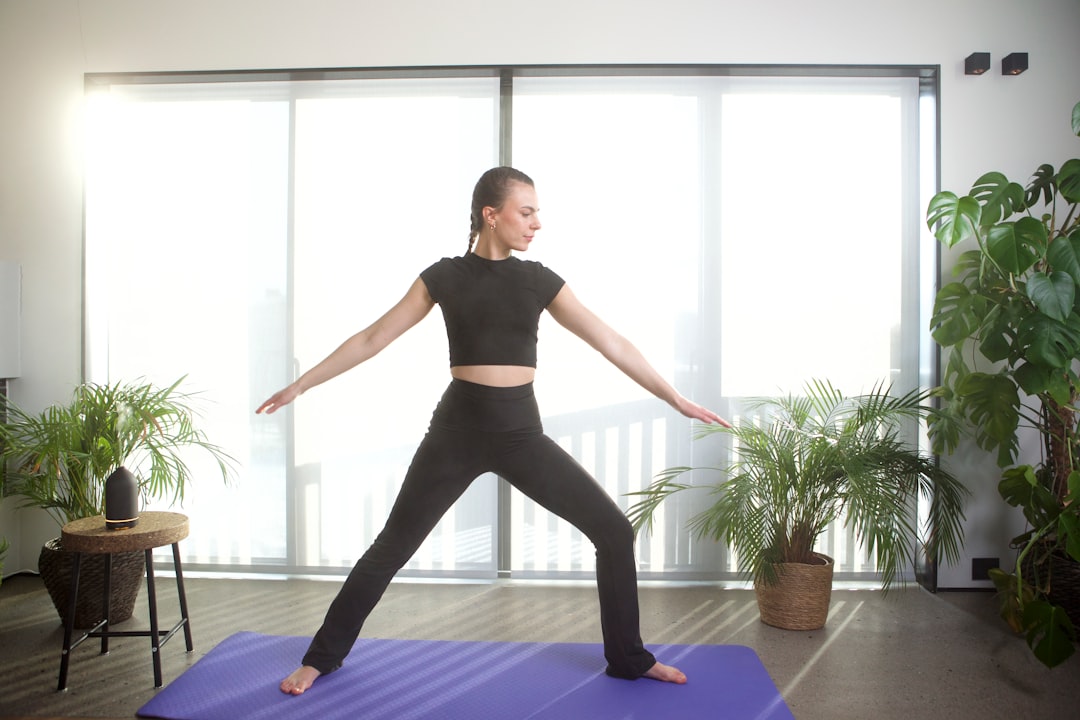
At home or at work, the “micro-movement” approach can also be useful. Instead of a very long exercise plan, small breaks such as standing up briefly every 30–60 minutes, taking a few steps, turning in a different direction, or gently opening the arms can ease the feeling of stiffness for some people. Because consistency can be more effective than intensity, these mini breaks offer a sustainable option.
Of course, some pain, numbness, loss of strength, marked limitation of movement, or complaints that make daily life difficult may require a more careful evaluation. In such cases, consulting a health professional can be supportive in determining movement strategies appropriate for you. As a general principle, trying to understand the signals your body gives rather than suppressing them offers a safer approach.
In summary, movement health is the skill of using your body more consciously and in a more balanced way throughout the day, regardless of whether you exercise. Steps such as small posture adjustments, carrying loads more smartly, and changing positions frequently may help increase comfort for many people. Starting with simple, repeatable habits that suit you can, in the long term, lay the groundwork for a more comfortable, more fluid everyday life.