
Desk Exercises to Reduce Neck and Lower Back Pain: What They Are and How to Do Them
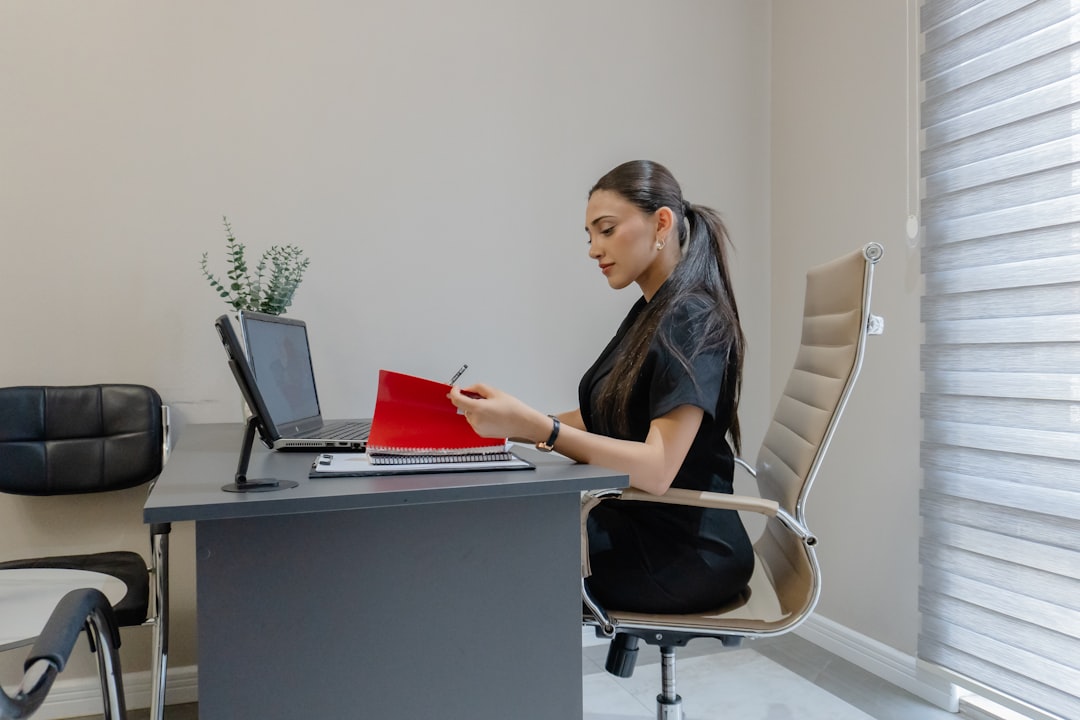
Sitting for long periods during the day can lead to less use of the joints’ natural range of motion and can set the stage for a feeling of tension in the lower back and neck area. Simple, low-intensity movements performed at regular intervals can help you relax by supporting the body’s “use it and remember it” principle. The suggestions here are for general informational purposes; if you experience noticeable pain, numbness, or dizziness, it may be helpful to consult a professional.
Simple Mobilizations for the Neck and Shoulder Line at the Desk
One of the areas most strained while working at a desk is the neck and shoulder line. A few times during the day, gently drawing the chin back and creating a sense of “lengthening,” as if stretching the crown of the head upward, can help reduce the tendency to hunch. Then slowly lifting the shoulders toward the ears and letting them drop, and gently drawing the shoulder blades toward each other and relaxing, can help engage the upper back.
Small movements for the neck are often more sustainable. Without letting your head drop forward, try tilting to the side so the ear approaches the shoulder and hold for a few breaths; this can help reduce tension that builds up during the day. Then, without throwing the head too far back, slowly turning the head right and left can help break the habit of “locking” into one direction for long periods in front of a screen.
Gentle Movements for the Lower Back While Sitting
In terms of lower back health, the effect of frequent sitting can be associated with the hip area and lower back “remaining in stillness.” While sitting in a chair, moving the pelvis forward and back with a small, gentle rocking motion without straining it (feeling the lower-back curve increase and decrease) can help keep the spine gently mobile. Doing this movement at short intervals without reaching the pain threshold can give the lower back a chance to breathe during the day.
Another simple option while sitting is to softly shift your weight to the right and left on the seat. This can reduce loading on a single point in the lower back and allow the hip area to work more evenly. Especially on busy days, even these small “position changes” can make it harder for the body to stay in the same posture for a long time, providing relief.
Reducing Sitting-Related Stiffness with Hip, Leg, and Joint Movements
The hips and legs play an important role in sharing the load with the lower back. When you stand up, support yourself with one hand on the desk and, without pulling the heel toward the buttocks, slightly bend the knee to find a small sensation of lengthening backward (gently feeling the front of the thigh); this can be supportive against sitting-related shortening. Similarly, stepping one foot forward and leaning slightly forward from the torso without locking the knees can provide a gentle stretch in the back of the leg.
Joints such as the ankle and knee can also feel “rusty” when they stay still all day. While sitting in a chair, slowly rotating the ankles in circles and rising onto the toes and lowering to the heels can help increase the sense of circulation. Extending the leg forward and bringing it back without fully forcing the knee can also help keep joint awareness alive.
Chest-Opening Stretches That Relax the Upper Body
A gentle movement that can be applied in daily life for the spine is chest-opening–focused stretches. If clasping the hands behind the lower back feels difficult, even placing both hands beside the hips and drawing the elbows backward can create a sense of openness in the upper body. The goal here is to softly expand the rib cage and reduce the shoulders dropping forward, rather than hinging from the lower back.
Micro Breaks, Ergonomics, and Safe Practice Strategies
Micro breaks can be the most practical key to a sustainable movement habit. Every 30–60 minutes, small interruptions such as standing up for 1–2 minutes, taking a few steps, getting water, or walking to the window can both distribute load across the joints and help reduce tension that accumulates in front of a screen. Setting a silent reminder to track time can make it easier for this habit to stick.
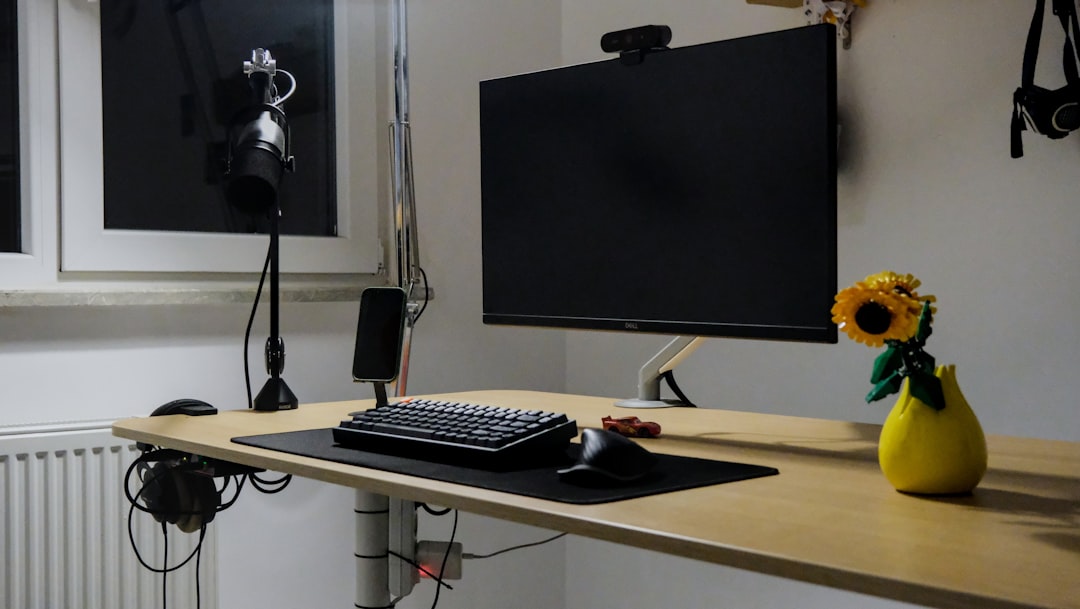
Ergonomics can be just as decisive as movement. Having the screen close to eye level, a chair height that allows the soles of the feet to rest comfortably on the floor, and keeping the elbows from being too high or too low can help reduce strain along the neck–lower back line. A small lumbar support (like a thin pillow) can make sitting more comfortable for some people.
When doing the movements, an “a little but regularly” approach is usually better tolerated. If symptoms such as sharp pain, numbness, loss of strength, or dizziness occur, stopping the movement and getting an appropriate evaluation may be safer. Instead of forcing a stretch, moving with the breath within a comfortable limit offers a more sustainable experience for most people.
Although simple daily movements may not completely eliminate the effects of desk-based living on the joints, lower back, and neck, they can help reduce accumulation and increase body awareness. Neck–shoulder mobilizations done in small intervals, gentle rocking for the lower back, and short walking breaks can, over time, support establishing a more balanced movement routine. If you’d like, if you share your work routine (how many hours you sit per day, where the pain is felt most, your home/work environment), I can also shape a practical daily mini-routine suggestion tailored to you.