
What Is Procrastination? Causes and Strategies to Reduce the Procrastination Habit

Procrastination Behavior: More a System Issue Than a Lack of Willpower
Although procrastination is often interpreted as a “lack of willpower,” in the background it can be thought of more as a system issue related to the brain’s decision-making and energy management. When the task that needs to be done evokes a mental burden, uncertainty, or emotional discomfort, the brain may gravitate toward the option that provides short-term relief. That’s why procrastination can be seen as a behavioral pattern that can emerge not so much from laziness as from a natural tendency to prefer immediate comfort.
When making decisions, the brain usually weighs two things: “What do I gain from this?” and “How will doing this make me feel right now?” While long-term benefits (success, order, progress) are motivating for many people, short-term emotions (boredom, strain, feeling inadequate) can be felt more strongly. Especially when a task is big, complex, or open-ended, it becomes harder for the brain to find a clear entry point to “start”; this can make avoidance easier.
How Uncertainty and Perfectionism Feed Procrastination
One factor that feeds procrastination is uncertainty. When you don’t fully know what to do, can’t predict where to start, or feel pressure to find the “right” way, the mind may tend to delay the task to reduce risk. In some people, this can combine with perfectionism: The thought that the work must be “complete” and “flawless” can unnecessarily inflate even a small step.
Emotion Regulation and the Habit Loop: Trigger–Behavior–Reward
The emotion-regulation side is also important. Procrastination can sometimes function like an escape hatch that briefly reduces emotions such as stress, anxiety, or boredom. Checking a notification, watching a short video, or saying “let me get myself together first” provides instant relief. As this sense of relief repeats, the brain can learn procrastination as a kind of quick fix; thus the habit loop can be reinforced.
In habit formation, the “trigger–behavior–reward” logic is often discussed. The trigger can be a feeling (boredom), an environment (sitting at the desk), a thought (“too hard”), or even a time of day. The behavior is the act of procrastinating; the reward is usually temporary relief. Over time, this loop can become automatic, and a person may start reliving the same scenario without noticing.
Lowering the Starting Threshold: The Small Steps Approach
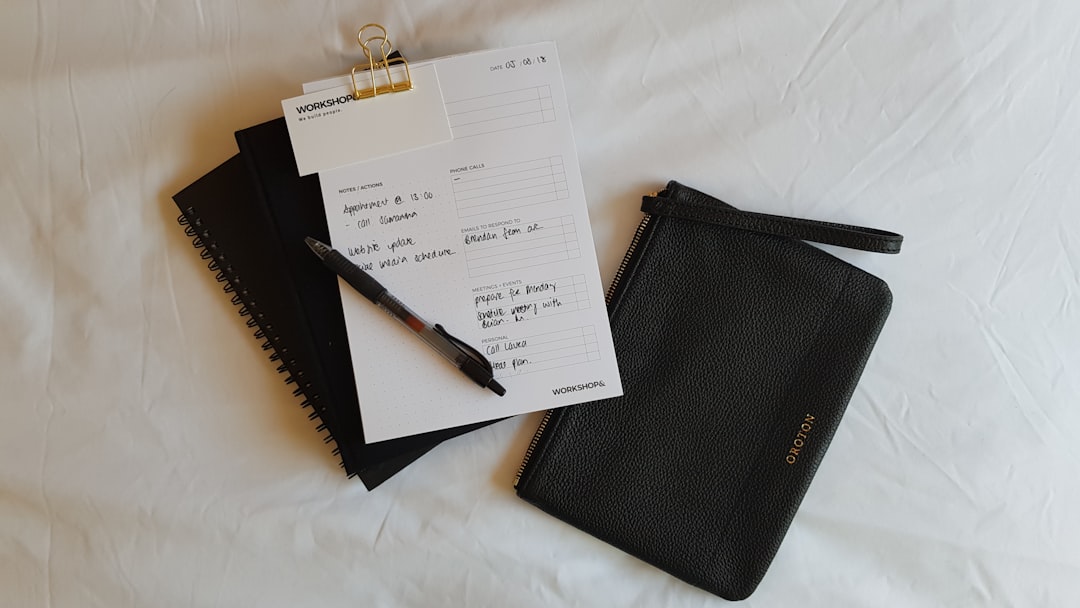
One of the critical points here is that the starting threshold is high. The bigger the task looks in your eyes, the more mental energy it may take to begin. That’s why the “small steps” approach can help by offering the brain a lower barrier. The goal is not to finish the work all at once, but to “shrink it enough to start”; for example, just opening the file, writing two sentences, or doing five minutes of editing.
The effect of small steps can be linked to the brain being able to receive a progress signal earlier. When the feeling of progress arrives, motivation may increase afterward; in other words, motivation may not always come before you start. In some people, what we call “getting into it once you begin” happens for exactly this reason: The first step disperses some of the mental fog and makes the next step more visible.
Recognizing Triggers and Building a Routine: Supporting It with Environmental Adjustments
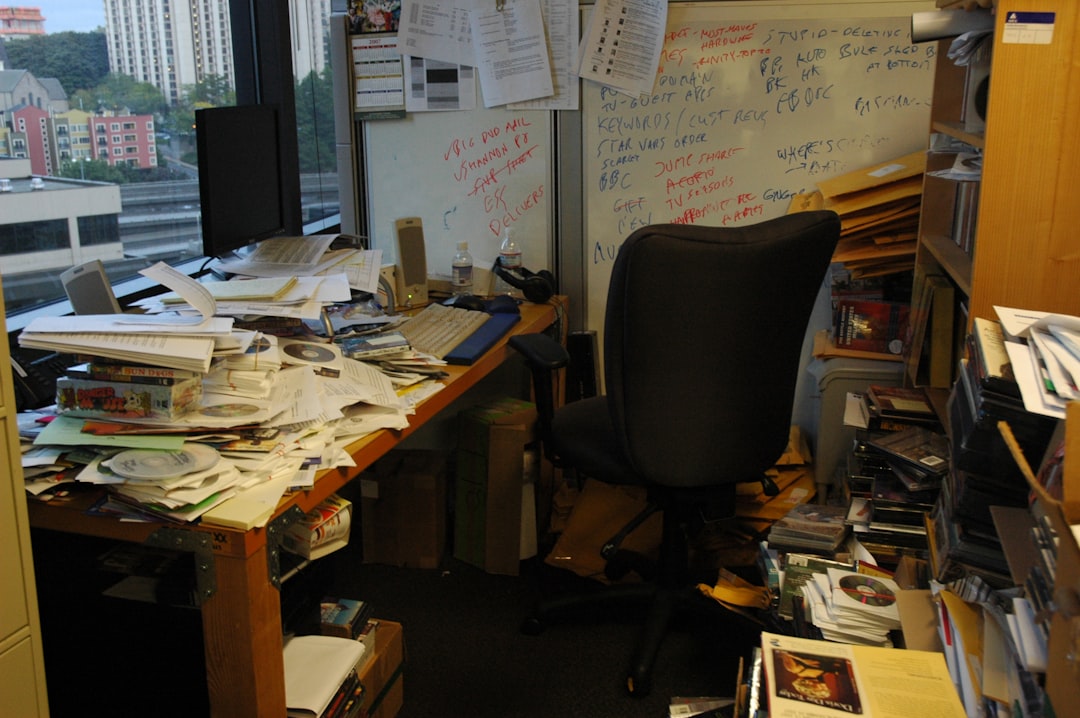
Noticing triggers can also be a good start for fixing the system. The question “When do I procrastinate the most?” targets structure, not willpower. For example, an afternoon energy dip, notifications from the phone, clutter in the workspace, or anxiety created by a particular task can be a recurring start signal. When a person catches that signal, they can design a small counter-move that will break autopilot.
The logic of routines can also work not only to reduce procrastination but to establish a new behavior. Sitting down to work at the same time, in the same place, with a similar starting ritual can make it easier for the brain to switch into “work mode.” The ritual doesn’t have to be big; even a short preparation like tidying the desk, getting a glass of water, or opening a single tab can smooth the transition.
Environmental adjustments can also be supportive by reducing decision fatigue. A phone sitting in plain sight, open tabs, or easily accessible distractions create constant opportunities to procrastinate. Making distractions invisible or harder to access may not create a miracle on its own, but it can change the distance between the “easy option” and the “right option.” This way, the brain can become a bit more inclined to choose the better path rather than the shortest one.
Another perspective is that procrastination is sometimes related to the “form of the task.” Unclear, unmeasurable, multi-part tasks can create more friction. In that case, making the task more concrete can help: Instead of saying “I’ll write the report,” saying “I’ll draft the introduction paragraph” reduces uncertainty. When the mind sees a clearer goal, avoidance can decrease.
In conclusion, for many people procrastination can be treated as a habit loop related more to how the system is set up than to willpower. Recognizing triggers, lowering the starting threshold, and creating repeatable routines can help enable more consistent progress over time. With small but regular adjustments, it can become possible to understand the mechanism that produces procrastination and build a more manageable workflow.