
How to Maintain Discipline in Tough Times: Ways to Stay Consistent

Difficult periods can unexpectedly affect our daily flow and motivation. Sometimes even a single day can be enough to throw plans off; other times emotional ups and downs can last a long time, making consistency difficult. In such times, discipline can be thought of not as “never struggling,” but as being able to find direction even while struggling.
An Approach to Staying Disciplined During Emotional Fluctuations
The first thing to do while experiencing emotional fluctuations is to try not to interpret it as a personal inadequacy. On some days energy may be low, focus scattered, or anxiety high; this is part of being human. The approach that supports discipline is not suppressing the question “How do I feel today?” but asking, “How far can I move forward along with these feelings?”
Shrinking Goals: Building Consistency with the Smallest Steps
A practical way to build consistency is to break goals into smaller, manageable parts. It is common for the mind to perceive a big task like “a mountain that’s hard to climb”; as this perception grows, procrastination can also become stronger. Instead, setting a “smallest step” that fits the conditions of that day can make it easier to take action; over time these small steps can accumulate and create a rhythm.
Building a System Instead of Motivation: Lowering the Starting Threshold
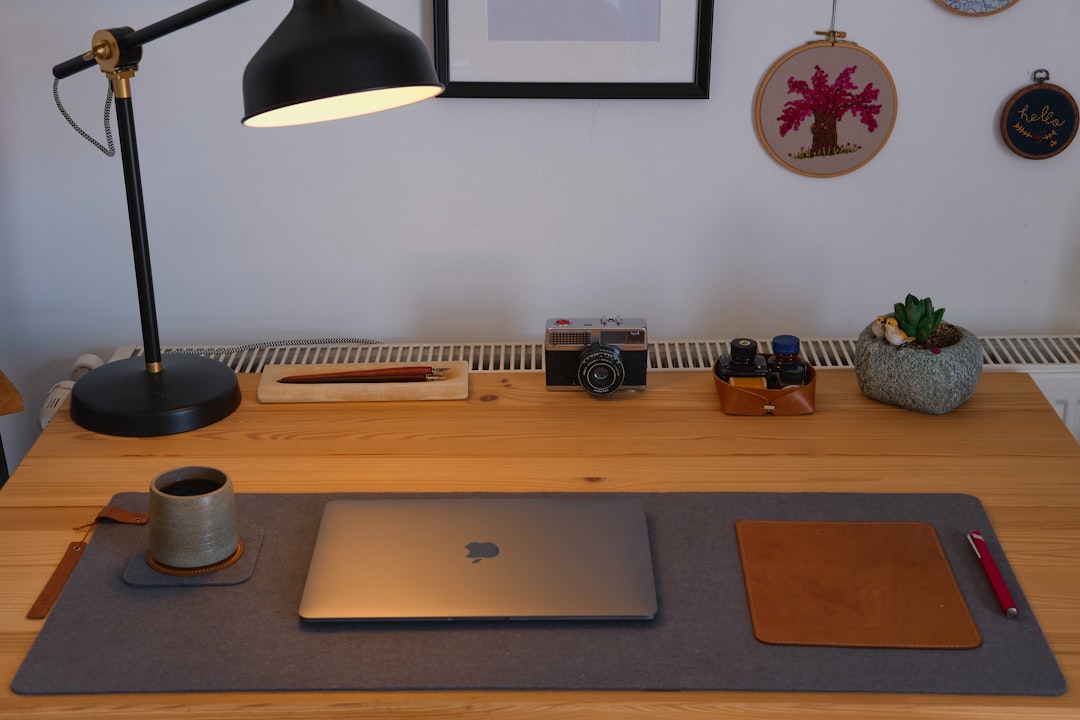
It is often seen that discipline is confused with motivation, whereas motivation may be more prone to fluctuation. What can work on difficult days is to set up a simple system rather than waiting for motivation: sitting at the desk at the same time, doing the same brief preparation, working in the same place. Such repetitions can reduce the brain’s “starting threshold,” making the behavior more accessible even when emotions change.
When emotional intensity rises, plans are either abandoned completely or there may be an urge to overdo it and pull everything together at once. Both extremes can challenge sustainability. A more balanced option is to determine a “minimum sustainable level”: for example, a smaller version of a habit, a shorter duration, a lighter pace. This way, it may be possible both to keep moving forward without breaking the streak and to avoid wearing yourself out.
Sustaining Discipline with Self-Compassion and Strengthening Inner Talk
Self-compassion is not the opposite of discipline; in some periods it can function like its fuel. When the inner voice is constantly critical, a person may tend to withdraw rather than try again. Establishing a more supportive inner dialogue—“I’m struggling today, but I can still take a small step”—can provide a safe ground for consistency.
Organizing the Environment and Tracking Progress
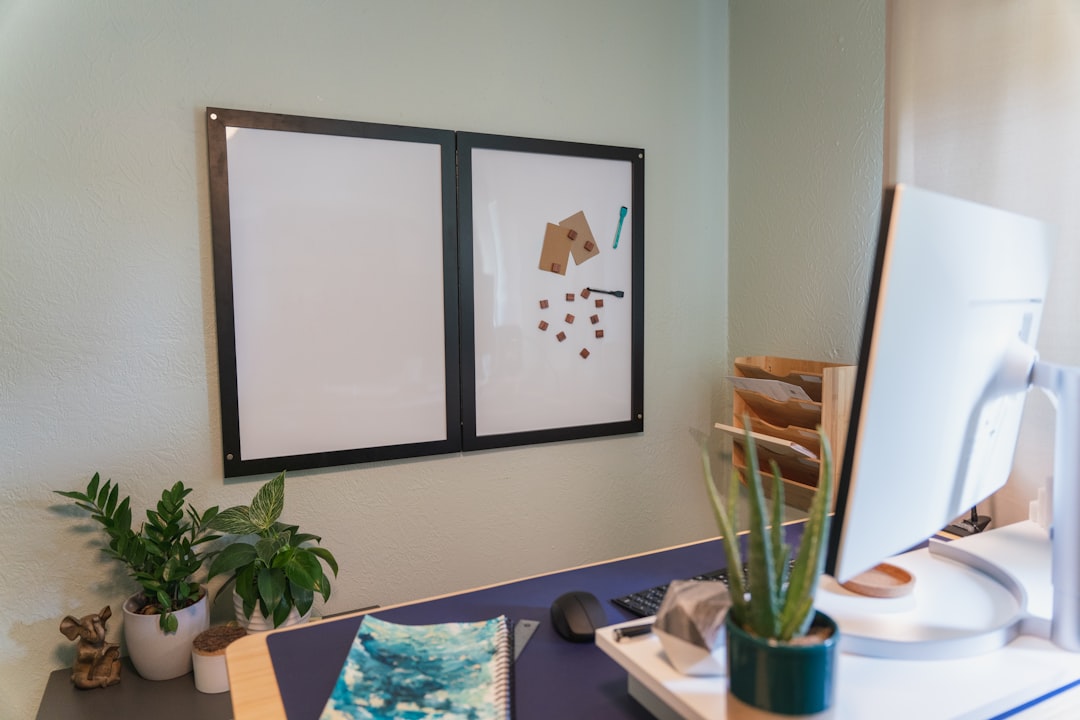
Environmental adjustments can also help reduce the impact of emotions. Instead of leaning on willpower on difficult days, reducing distractions, preparing things in advance, and lowering the number of decisions can help. For example, small touches like tidying the workspace the night before or placing workout clothes somewhere visible can lighten the effort required to “start.”
Another supportive approach is to evaluate progress not only by outcome but by participation. It may not be realistic to show the same performance every day; but being able to say “I made contact today too” can be an important threshold. Recording what you did with a short note can make small progress visible and nourish the desire to continue.
During turbulent periods, social support can also strengthen consistency. When carrying it alone feels difficult, doing a brief check-in with a friend, working together, or simply sharing your intention can be soothing. This can be used not to create pressure, but to make the process more humane and sustainable.
Finally, on difficult days it can feel good to remember that discipline is not a “perfect line.” Consistency is often about developing the muscle of starting again; being able to get back up even if you fall on some days. Taking small and meaningful steps even as emotions change can, over time, create a reassuring rhythm and move one’s relationship with oneself to a more solid place.