
What Is Screen-Free Time Before Bed and How to Create a Pre-Sleep Routine?
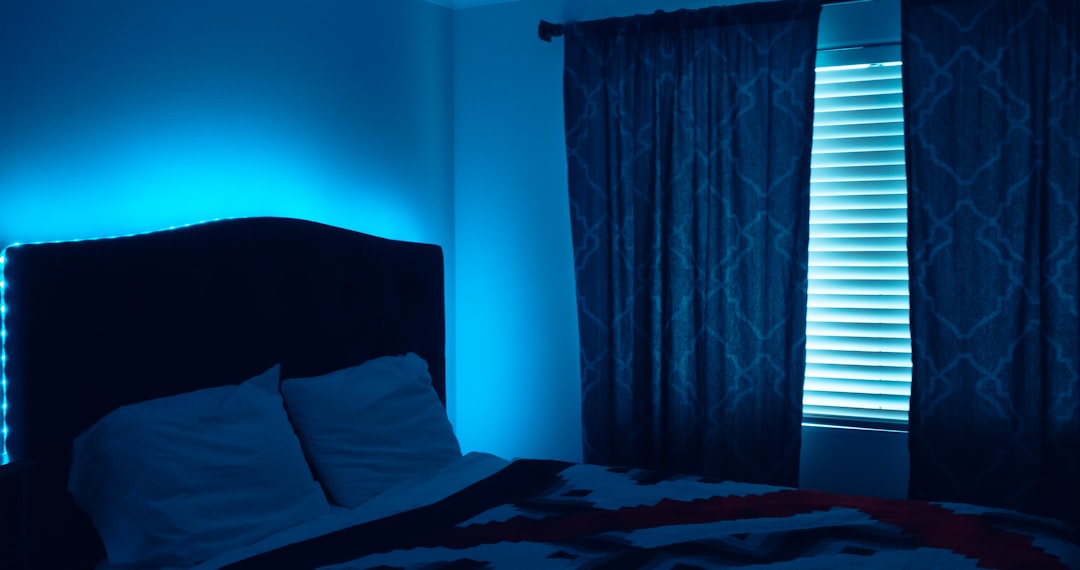
In the pace of the day, screens are often within easy reach; even when evening comes, notifications, videos, or a social media feed can keep the mind busy. Yet making a calmer transition as you approach sleep can, for some people, set the stage for a more restorative night. The “screen-free last hour” approach offers a practical evening wind-down routine idea aimed precisely at softening that transition.
Why Can Screen Use Close to Bedtime Be Challenging?
One reason screens can be challenging in the hours close to sleep is that mentally stimulating content keeps attention alert. Another factor is that bright light, especially in the dark, can delay the feeling of sleepiness. Even though not everyone is affected in the same way, reducing screen time before bed can be seen as a small but meaningful step that may support the body in shifting into “rest mode.”
Setting Screen-Free Time: A Realistic Start and Gradual Increase
When establishing this routine, the most useful starting point is to choose a realistic time window for yourself. Although “the last hour” sounds clear, starting with 20–30 minutes at first may be more sustainable. Once the timing settles, gradually extending it can make the habit less challenging and help prevent motivation from dropping.
One way to make screen-free time easier is to create a “shutdown signal.” For example, slightly dimming the lights at a certain hour, drinking a glass of warm water, or briefly opening a window to air out the room can act like simple cues that remind the brain the day is over. The goal here is not big changes, but establishing a small pattern that can be repeated every evening.
Screen-Free Alternatives That Relax the Mind and Body
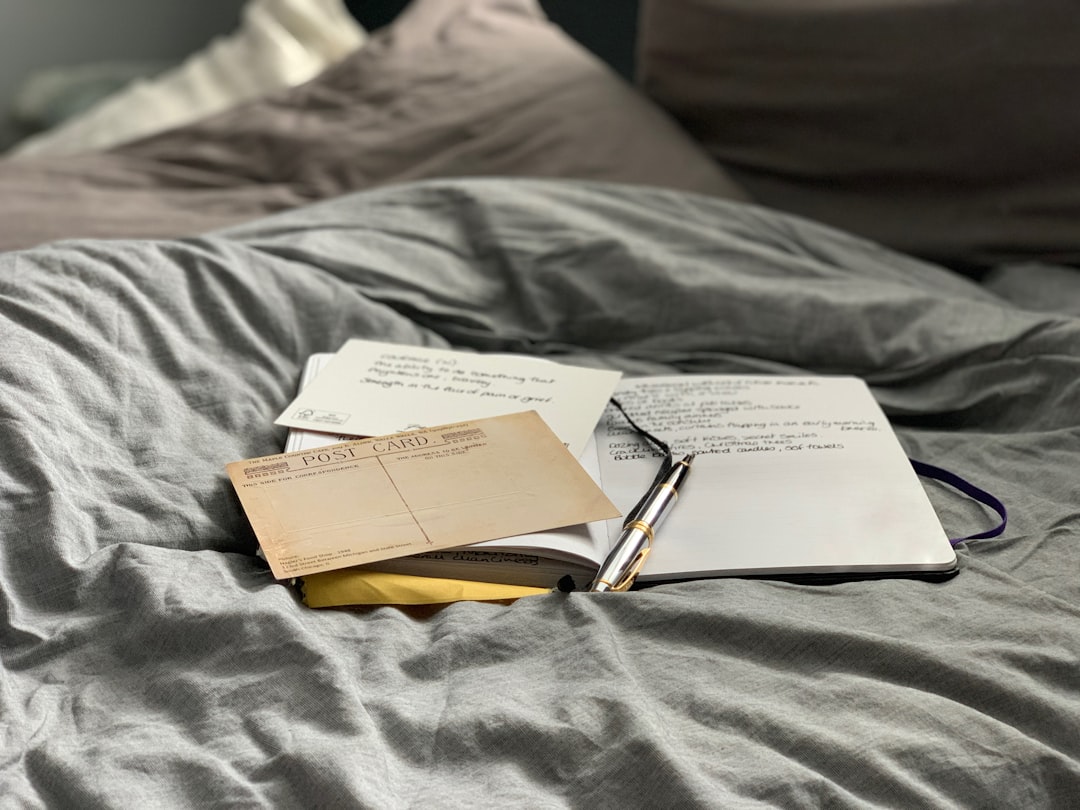
The thoughts the mind accumulates throughout the day can speak louder once you get into bed. For this reason, a short “mind dump” practice during the screen-free last hour can be relaxing for some people. Jotting down a few lines on paper, roughly writing what to do tomorrow, or gathering what stayed on your mind from the day can help reduce thoughts spilling over into the night.
In an evening wind-down routine, low-stimulation activities that relax the body are also a good alternative. Options like gentle stretching, slow-paced reading, or tidying up the day’s items with calm music can both fill the space left by the screen and help lower the pace. What matters here is that the activity you choose doesn’t create a feeling of “consuming more content” and doesn’t pull you into a new loop.
Adjusting the Environment: Reducing Screens and Notifications in the Bedroom
The layout of the environment is another point associated with sleep quality. Keeping fewer screens in the bedroom, charging the phone away from the bed, or choosing dimmer lighting in the room can support the routine. If the phone is needed for an alarm, settings like airplane mode or do not disturb can also help reduce distractions.
There may be moments when this approach is difficult; especially if nighttime is the only “free time” of the day, putting the screen down can be hard. In such cases, simplifying the content rather than cutting the screen entirely can also count as a transition step. For example, choosing shorter duration, lower brightness, and calmer content offers interim solutions that can help the habit take hold.
Consistency, Flexibility, and Ways to Maintain the Habit
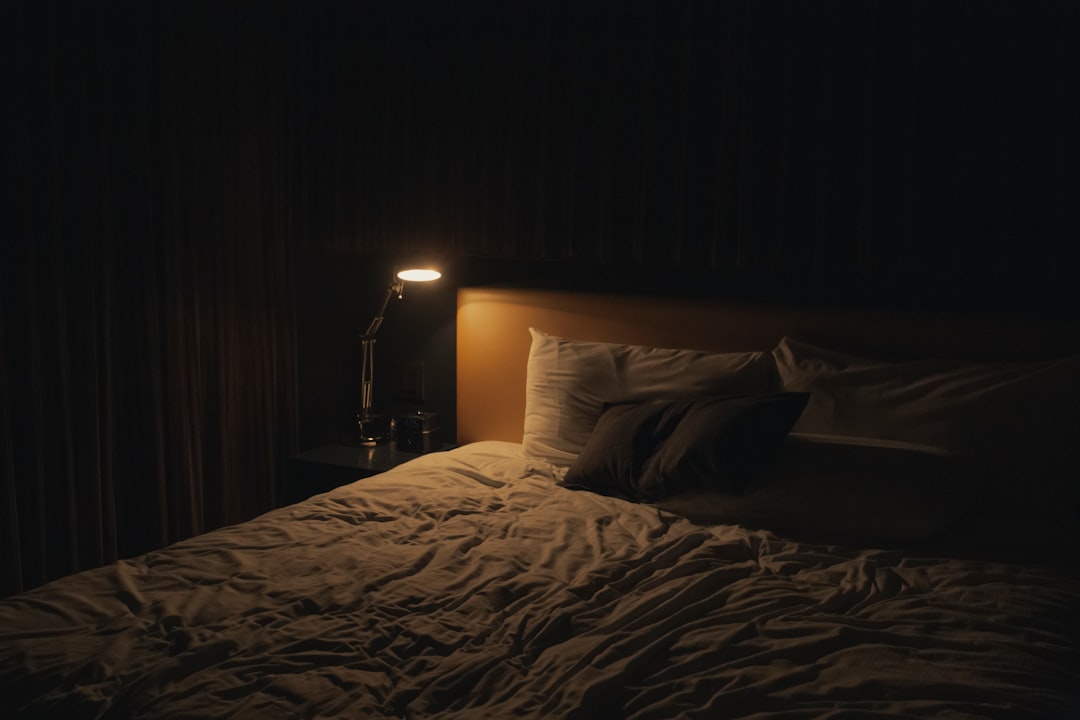
To increase the routine’s impact, flexibility is as important as consistency. Rather than aiming to achieve the same perfect flow every evening, staying on a similar track most days may be more realistic. When there are variables like travel, busy work periods, or guests, maintaining the routine even in its “smallest form” can help keep the habit from breaking.
The screen-free last hour should not be thought of as a formula that changes everything on its own; it can rather be seen as a lifestyle tool that makes it easier to prepare for sleep. By making small experiments according to your own needs and combining the pieces that work, you can create an evening wind-down ritual that suits you. Over time, this calm transition may help some people fall asleep more comfortably and support a feeling of waking up more refreshed in the morning.